

10 Cheap Life Insurance for Couples

10 Cheap Life Insurance for Couples
Life as a couple is about shared dreams, mutual support, and building a future together. Securing your financial foundation is paramount to planning for homes, families, and careers. Life insurance for couples is a critical part of that security, ensuring the surviving partner and dependents don’t face financial hardship if one partner passes away unexpectedly.
Many couples, especially younger ones, may overlook or postpone this crucial step, thinking it’s an expense they can’t afford or don’t need right now. However, affordable life insurance options are widely available, and getting coverage early can be surprisingly cost-effective. This article explores why couples should seriously consider life insurance, the types available, factors that affect premiums, tips for finding affordable plans, notable insurance companies in Florida for couples, and typical pricing ranges for different age groups.
Cheap Life Insurance for Couples
Why Couples Should Seriously Consider Having Life Insurance and At What Ages
Life insurance for couples isn’t just about covering final expenses; it’s about protecting the financial continuity and plans you’ve built together. Whether you’re married, in a civil partnership, or a long-term cohabiting relationship with shared financial responsibilities, losing a partner can have devastating economic consequences.
Consider these key reasons:
- Income Replacement: If one partner passes away, the surviving partner will likely face a significant loss of household income. Life insurance can replace this lost income, helping the survivor cover daily living expenses, mortgage or rent payments, and other financial obligations without drastically altering their standard of living. This matters even if both partners work, because losing one income can significantly strain the budget.
- Mortgage Protection: A home is often a couple’s largest asset and most significant debt. A life insurance payout can pay off the remaining mortgage balance, ensuring the surviving partner can stay in the family home without fearing foreclosure.
- Debt Settlement: Couples often accumulate joint debts, such as car loans, student loans, or credit card balances. Life insurance can provide funds to settle these debts, so the surviving partner isn’t solely responsible.
- Childcare and Education Costs: If you have children, life insurance is vital. The payout can cover ongoing childcare expenses, future education costs (such as college funds), and the costs of raising children, ensuring their needs are met even if one parent is no longer present. This is especially important if one partner is a stay-at-home parent whose unpaid labor (such as childcare and household management) would need to be replaced.
- Final Expenses: Funeral and burial costs, along with any outstanding medical bills, can easily amount to thousands of dollars. Life insurance can cover these immediate expenses, relieving the surviving partner of this financial burden during a difficult emotional time.
- Business Continuity: If the couple co-owns a business, life insurance can provide the funds the surviving partner needs to buy out the deceased partner’s share, pay off business debts, or cover operating costs during a transition period.
- Supplementing Retirement: Losing a partner can also affect retirement savings and plans. A life insurance benefit can help bolster the surviving partner’s retirement fund.
At What Ages Should Couples Consider Getting Life Insurance?
The simple answer is: as soon as you share financial responsibilities or have dependents.
- Ages 21-30: This is often when couples start their lives together, perhaps getting married, buying a first home, or starting a family. Securing life insurance at this stage is generally affordable, as younger, healthy individuals qualify for the lowest premiums. It’s a proactive step to protect plans.
- Ages 30-40: During these years, careers often advance, income may rise, and families may grow. Financial responsibilities, like larger mortgages and education savings, increase. Life insurance needs may peak.
- Ages 40-50: Couples in this age bracket may be considering college expenses for their children and planning more seriously for retirement. While premiums will be higher than in their 20s or 30s, affordable term life insurance is still readily available. Review existing policies to ensure they still meet your current needs.
If someone depends on you financially, or if your passing would create a financial burden for your partner, life insurance is a responsible consideration, regardless of your age.
Types of Life Insurance Available for Couples
Couples have several life insurance options, from individual policies for each partner to joint policies that cover both.
- Individual Life Insurance Policies:
- Description: Each partner purchases a separate life insurance policy. If one partner dies, their policy pays out to their named beneficiary (often the other partner). The surviving partner’s policy remains in effect.
- Types:
- Term Life Insurance: Provides Coverage for a specific term (e.g., 10, 20, 30 years). If death occurs during the term, the benefit is paid. It’s typically the most affordable option for a given death benefit.
- Permanent Life Insurance (e.g., Whole Life, Universal Life): Provides lifelong Coverage and includes a cash value component that grows over time. It’s more expensive than term life.
- Pros for Couples: Offers flexibility. If the couple separates or divorces, each individual keeps their policy. You can tailor coverage amounts and beneficiaries to each partner’s needs and circumstances. The surviving partner still has their Coverage.
- Cons for Couples: Purchasing two separate policies may seem more expensive than a single joint policy, though this isn’t always the case, especially if partners have a significant age or health difference.
- Joint Life Insurance Policies:
- Description: A single policy that covers two lives, typically partners.
- Types:
- First-to-Die Life Insurance: This policy pays the death benefit when the first of the two insured individuals dies. Once the payout occurs, the policy ends, leaving the surviving partner without that joint Coverage (they would need a separate policy if they still require Coverage).
- Pros: Can sometimes be slightly cheaper than two comparable individual policies, especially if both partners are young and healthy. It provides funds when the first financial loss is felt.
- Cons: The surviving partner is left without Coverage from this policy after the first death. They may find it more expensive or difficult to obtain new individual Coverage later in life, especially if their health has changed. It’s less flexible in cases of divorce, as splitting the policy can be complicated or impossible (often requiring cancellation).
- Second-to-Die Life Insurance (Survivorship Life Insurance): This policy pays the death benefit only after both insured individuals have passed away. The benefit is typically paid to their heirs or a trust.
- Pros: Often used for estate planning, such as covering estate taxes, leaving a substantial legacy for children or a charity, or providing long-term support for a special-needs dependent. It can be more affordable than individual permanent policies for the same ultimate death benefit if the goal is purely legacy-focused.
- Cons: Does not financially benefit the surviving partner upon the first death. Its primary purpose is not to replace income for the survivor, but rather to facilitate wealth transfer or legacy planning.
- First-to-Die Life Insurance: This policy pays the death benefit when the first of the two insured individuals dies. Once the payout occurs, the policy ends, leaving the surviving partner without that joint Coverage (they would need a separate policy if they still require Coverage).
Which is Better: Individual or Joint Policies?
For most couples seeking affordable life insurance to cover expenses such as income replacement or mortgage debt, two separate term life insurance policies are often the most practical and flexible solution. This approach enables tailored Coverage and is easier to manage if the relationship evolves. While first-to-die policies may seem cheaper at first, the potential lack of Coverage for the survivor later is a major drawback. Second-to-die policies serve a very different purpose (estate planning) and are generally not the primary choice for basic financial protection for the surviving partner.
Factors Affecting Life Insurance Premiums for Couples
When couples apply for life insurance, whether individual or joint policies, insurers assess several factors for each individual to determine the premiums:
- Age: Younger applicants generally get lower rates. For joint policies, insurers may base the premium on an average age or a more complex actuarial calculation.
- Gender: Women statistically live longer than men and often pay slightly lower premiums.
- Health Status: This includes current health, medical history (including conditions such as heart disease, diabetes, and cancer), height, and weight. For joint policies, insurers consider both individuals’ health. If one partner has significant health issues, a joint policy can be more expensive or harder to qualify for than an individual policy for the healthier partner.
- Smoking Status: Smokers pay significantly higher premiums (often 2-3 times more) than non-smokers. This applies to both partners.
- Lifestyle: High-risk hobbies (e.g., skydiving, piloting private planes) or hazardous occupations can result in higher premiums.
- Family Medical History: A history of certain hereditary conditions in either partner’s family can influence rates.
- Policy Type: Term life is the most affordable. Permanent life (whole, universal) is more expensive. Joint first-to-die can sometimes be cheaper than two individual policies, but not always. Second-to-die permanent policies are priced based on the joint life expectancy of the insured individuals.
- Coverage Amount (Death Benefit): The higher the death benefit, the higher the premium.
- Term Length (for Term Life): Longer terms (e.g., 30 years) cost more per year than shorter terms (e.g., 10 years) for the same coverage amount.
- Credit History: Some insurers may consider credit-based insurance scores, as studies have shown a correlation between credit management and risk.
- Driving Record: A history of DUIs or multiple serious traffic violations can increase premiums.
Pinellas
Securing affordable life insurance is achievable with a strategic approach:
- Shop Around and Compare Quotes: This is crucial. Premiums can vary significantly between insurers for the same Coverage. Get quotes from multiple companies or work with an independent insurance broker who can compare options from various carriers for both individual and joint policies.
- Buy Young and Healthy: The younger and healthier you and your partner are when you apply, the lower your premiums will be. Lock in these rates for a term policy.
- Determine the Right Coverage Amount: Don’t buy more Coverage than you need, but don’t underestimate your needs. Use online calculators or consult a financial advisor to determine an amount that covers debts, income replacement, and future needs, such as children’s education. Consider the economic impact of losing each partner.
- Opt for Term Life Insurance: For most couples looking for affordable protection, term life insurance offers the best value. Choose a term length that covers your longest financial obligation (e.g., mortgage term, until children are independent).
- Compare Individual Policies vs. Joint Policies: Get quotes for two separate individual policies and a first-to-die joint policy (if available and considered). Often, two individual policies offer better long-term value and flexibility at a comparable cost, or only slightly higher.
- Maintain a Healthy Lifestyle: Encourage each other to quit smoking (or avoid starting), maintain a healthy weight, exercise regularly, and manage chronic health conditions effectively. This can lead to significantly lower premiums.
- Consider “Laddering” Policies: This strategy involves buying multiple term life policies with different term lengths and coverage amounts to match changing needs. For example, a larger 20-year policy during peak earning and child-rearing years, and a smaller 30-year policy to cover the mortgage.
- Ask About Discounts: Some insurers offer discounts if you pay annually instead of monthly, or if you bundle policies (though life insurance is less commonly bundled with home or auto insurance for significant savings than those products are with each other). Some employers offer group life insurance, which can be a good supplemental or basic option, often with minimal or no underwriting requirements.
- Review Coverage Regularly: As your life circumstances change (e.g., a new baby, a new home, or a significant salary increase), review your life insurance needs to ensure your Coverage remains adequate. It’s easier to increase Coverage when you’re younger.
Life Insurance Companies Specializing in Life Insurance for Couples
Residents can choose from many national life insurance companies that offer competitive products well-suited for couples. While companies may not exclusively “specialize” in couples, they offer a range of term life policies, riders, and potentially joint policy options that appeal to partners. Key factors for couples include competitive premium pricing for individuals in their 20s through 50s and potentially flexible underwriting.
Here are some well-regarded life insurance companies accessible to couples:
- Banner Life (and William Penn in NY): Often leads in offering some of the lowest-cost term life insurance policies. They are known for favorable underwriting for specific health conditions.
- Protective Life: Often offers competitive term life insurance rates, especially for longer terms.
- Prudential: A large, well-known insurer with various term and permanent products. They sometimes offer “no-exam” options for specific coverage amounts and age groups.
- Pacific Life: Known for competitive pricing on term and universal life products, with options for a wide range of ages.
- Haven Life (backed by MassMutual): Offers a streamlined online application process for term life insurance, which can appeal to younger, tech-savvy couples.
- State Farm: A strong local agent presence throughout Florida can benefit couples who prefer personalized, in-person service. Offers a range of policy types.
- New York Life: A financially strong company with a long history, offering various term and permanent policies. Their AARP program might be relevant if one partner is over 50.
- Mutual of Omaha: Also strong for seniors, it offers competitive term and whole life options for younger individuals and couples.
- Nationwide: Offers a broad portfolio of insurance products, including life insurance options tailored for couples.
- Lincoln Financial Group: Offers competitive term and universal life policies.
When choosing, couples should consider the company’s financial strength ratings (from A.M. Best, Moody’s, and S&P), customer service reviews, policy features (such as conversion options for term policies), and available riders (e.g., waiver of premium, child rider). An independent broker can help you navigate these options.
Typical Life Insurance Pricing for Couples
Life insurance premiums for couples depend on each partner’s age, health, lifestyle, policy type, coverage amount, and term length. The most common, and often most affordable, approach for couples is to buy two individual term life insurance policies.
Below are estimated monthly premium ranges for two individual 20-year term life insurance policies for non-smoking males and females in excellent health. These are illustrative; actual rates may vary.
Assumptions: Non-Smoker, Excellent Health, 20-Year Term. Prices are per individual, so a couple would add the male and female premiums for their total.
Age 21:
- $250,000 Coverage:
- Male: $12 – $20
- Female: $10 – $18
- Couple Total: $22 – $38
- $500,000 Coverage:
- Male: $18 – $30
- Female: $15 – $25
- Couple Total: $33 – $55
- $1,000,000 Coverage:
- Male: $28 – $45
- Female: $22 – $38
- Couple Total: $50 – $83
Age 30:
- $250,000 Coverage:
- Male: $15 – $25
- Female: $13 – $22
- Couple Total: $28 – $47
- $500,000 Coverage:
- Male: $22 – $38
- Female: $18 – $30
- Couple Total: $40 – $68
- $1,000,000 Coverage:
- Male: $35 – $60
- Female: $28 – $48
- Couple Total: $63 – $108
Age 40:
- $250,000 Coverage:
- Male: $25 – $40
- Female: $20 – $35
- Couple Total: $45 – $75
- $500,000 Coverage:
- Male: $40 – $65
- Female: $30 – $55
- Couple Total: $70 – $120
- $1,000,000 Coverage:
- Male: $70 – $110
- Female: $55 – $90
- Couple Total: $125 – $200
Age 50:
- $250,000 Coverage:
- Male: $55 – $90
- Female: $40 – $70
- Couple Total: $95 – $160
- $500,000 Coverage:
- Male: $100 – $160
- Female: $75 – $120
- Couple Total: $175 – $280
- $1,000,000 Coverage:
- Male: $180 – $300
- Female: $130 – $220
- Couple Total: $310 – $520
Note on Joint First-to-Die Policies:
Premiums for joint first-to-die term policies might be slightly less than the combined total of two individual policies. For example, a joint $500,000 policy for a healthy 30-year-old couple might range from $35 to $60 per month, potentially saving a little compared to $40-$68 for two individual policies. However, the difference is often not substantial enough to outweigh the flexibility and continued coverage benefits of separate policies for the survivor. It’s always best to get direct quotes.
Essential Considerations for these Prices:
- These are best-case scenario rates (excellent health, non-smoker).
- Slightly less-than-perfect health or smoking will significantly increase these rates.
- Longer-term lengths (e.g., 30-year terms) will have higher monthly premiums than shorter-term lengths (e.g., 20-year terms).
- These are estimates; you’ll need actual quotes from insurers.
Conclusion
In conclusion, affordable life insurance plans for couples exist. By understanding your joint needs, choosing the right policy type (often two individual term policies), and carefully comparing options, couples can secure substantial financial protection for each other and their families at an affordable cost. Taking this step early in your shared life provides a lasting foundation of security and peace of mind for future generations.
OUR CLIENT REVIEWS


CONTACT STEVE TURNER, LICENSED INSURANCE AGENT & BROKER
Questions? Call, text, or book a time below; I answer calls and emails 7 Days a week from 7:00 a.m. to 8:00 p.m., excluding posted holidays.
EMAIL STEVE
OFFICE LOCATION
Address: 14502 N Dale Mabry Hwy, Suite 200, Tampa, FL 33618
Website: steveturnerinsurancespecialist.com
Email: [email protected]
Phone and Text: +1-813-388-8373
Business Hours:
Monday: 7:00 a.m. / 8:00 p.m.
Tuesday: 7:00 a.m. / 8:00 p.m.
Wednesday: 7:00 a.m. / 8:00 p.m.
Thursday: 7:00 a.m. / 8:00 p.m.
Friday: 7:00 a.m. / 8:00 p.m.
Saturday: 7:00 a.m. / 8:00 p.m.
Sunday: 7:00 a.m. / 8:00 p.m.
LIFE INSURANCE POSTS
-
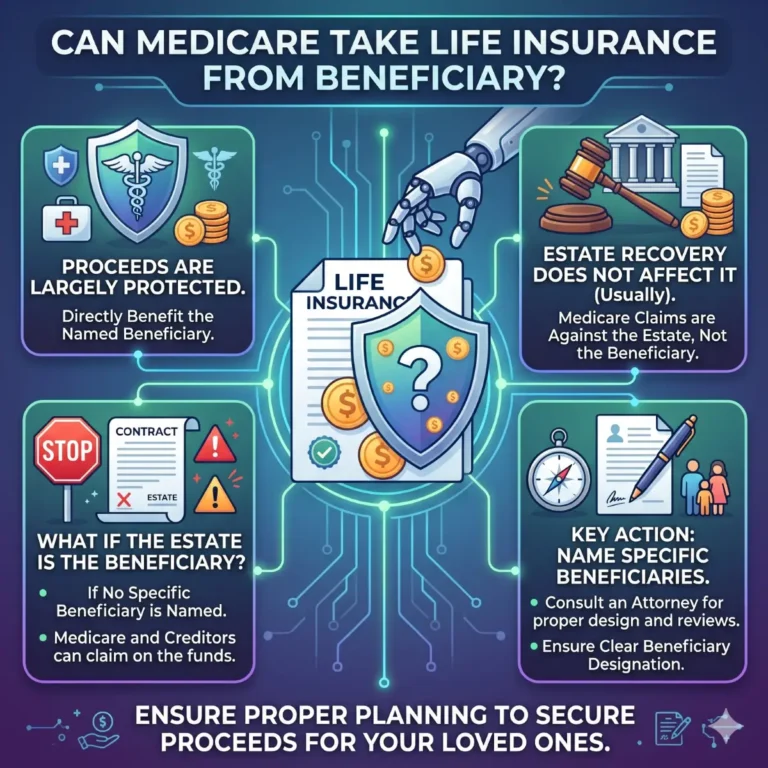
Can Medicare Take Life Insurance From a Beneficiary?
By Steve Turner
• 2026-05-04
Can Medicare take life insurance from a beneficiary? Learn when recovery applies, what’s protected, and how to safeguard your loved ones’ benefits. -
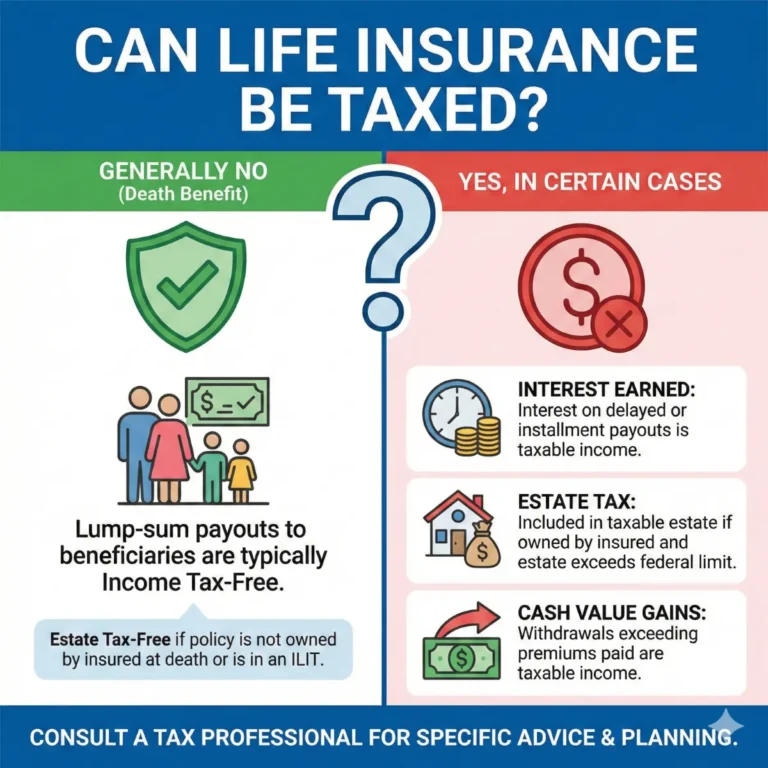
Can Life Insurance Be Taxed in Florida?
By Steve Turner
• 2026-03-16
While life insurance payouts are generally tax-free, specific rules apply to cash value and interest. Learn how to protect your legacy. Tap to Learn Now! -
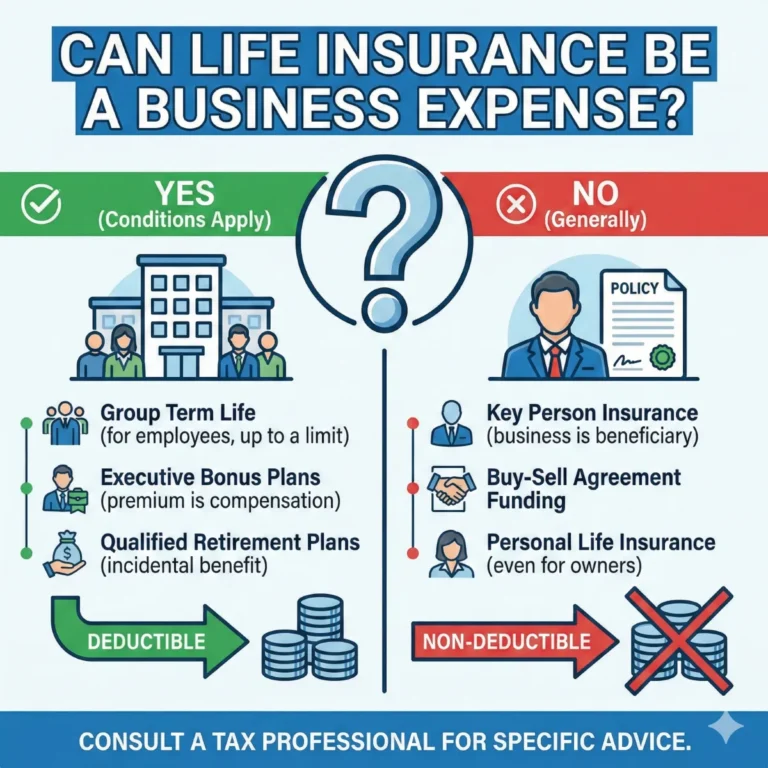
Can Life Insurance Be A Business Expense in Florida?
By Steve Turner
• 2026-03-13
Can business owners deduct life insurance premiums? Discover the rules for tax-advantaged coverage and IRS guidelines. Tap to Learn Now! -
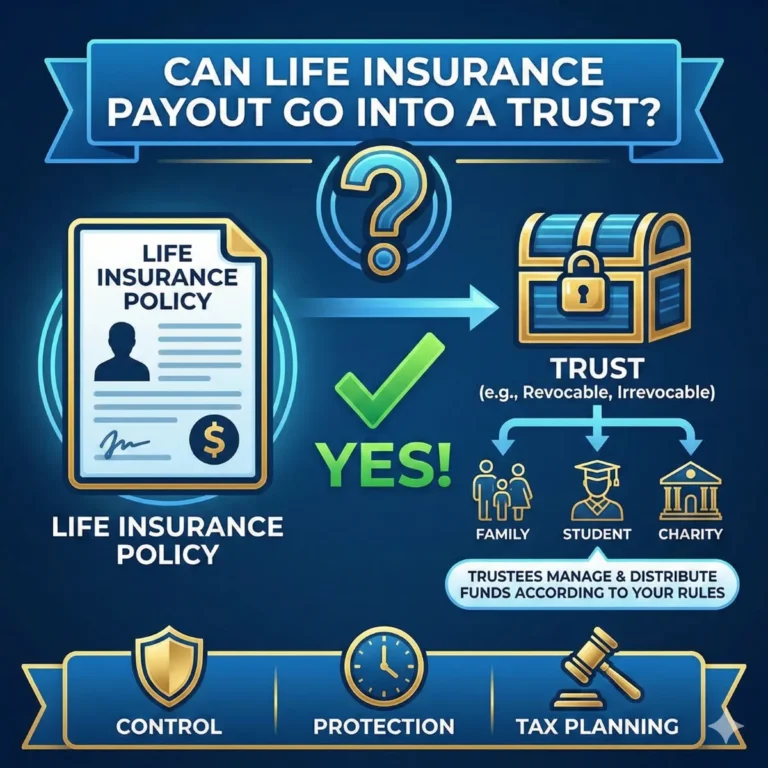
Can Life Insurance Payout Go Into A Trust in Florida?
By Steve Turner
• 2026-03-07
Can a life insurance payout go into a trust? Learn how trusts protect heirs, bypass probate, and offer tax advantages for your family. Tap to Learn Now! -
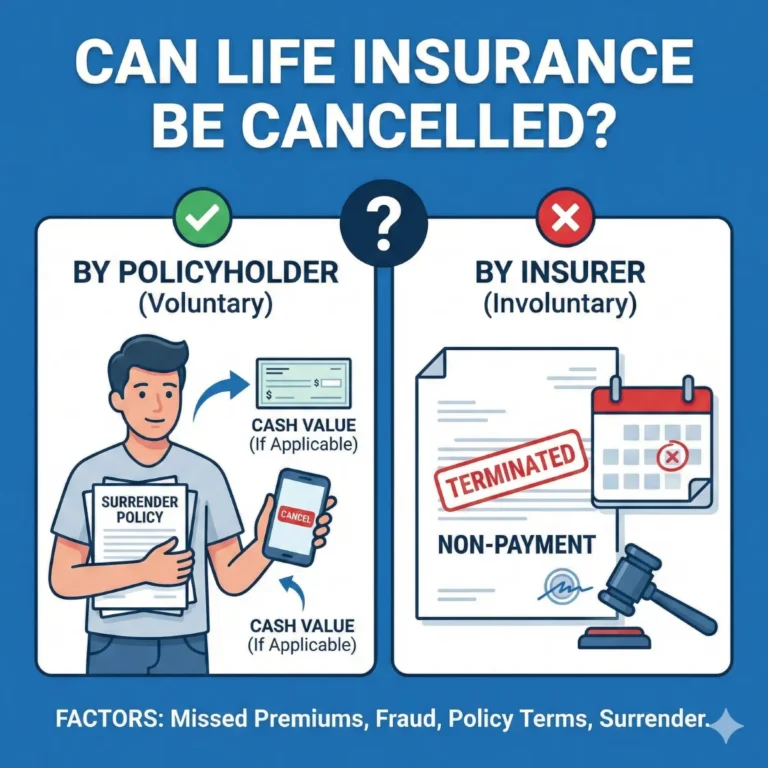
Can You Cancel Life Insurance in Florida?
By Steve Turner
• 2026-03-04
Can your life insurance be cancelled? Discover the truth about non-payment, fraud, and how to protect your policy today with Steve Turner. Tap to Learn Now! -
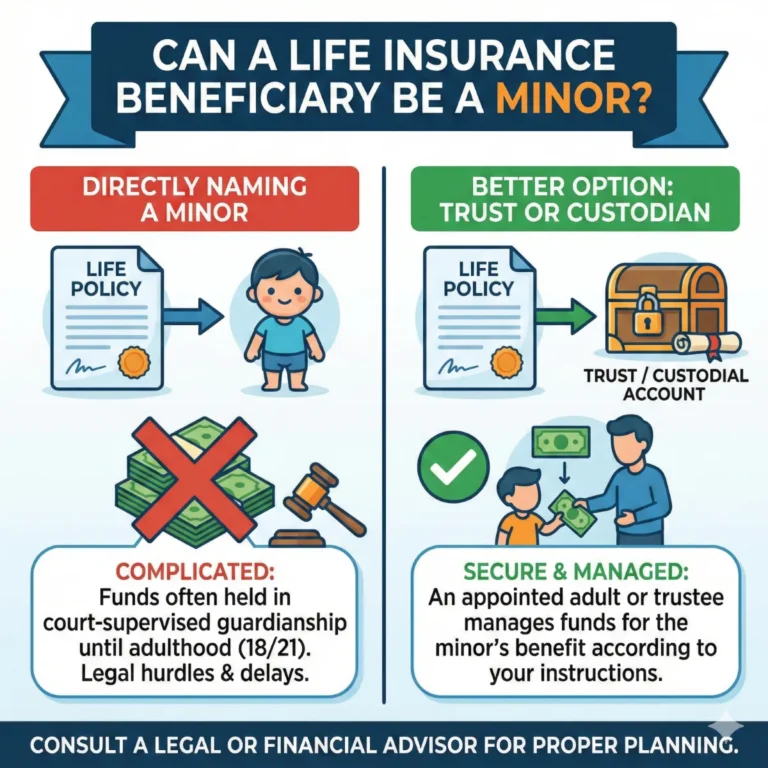
Can a Life Insurance Beneficiary Be A Minor in Florida?
By Steve Turner
• 2026-03-02
Naming a minor as a beneficiary? Learn the legal risks, from court delays to custodial accounts, and how to protect your child’s future. Tap to Learn Now! -
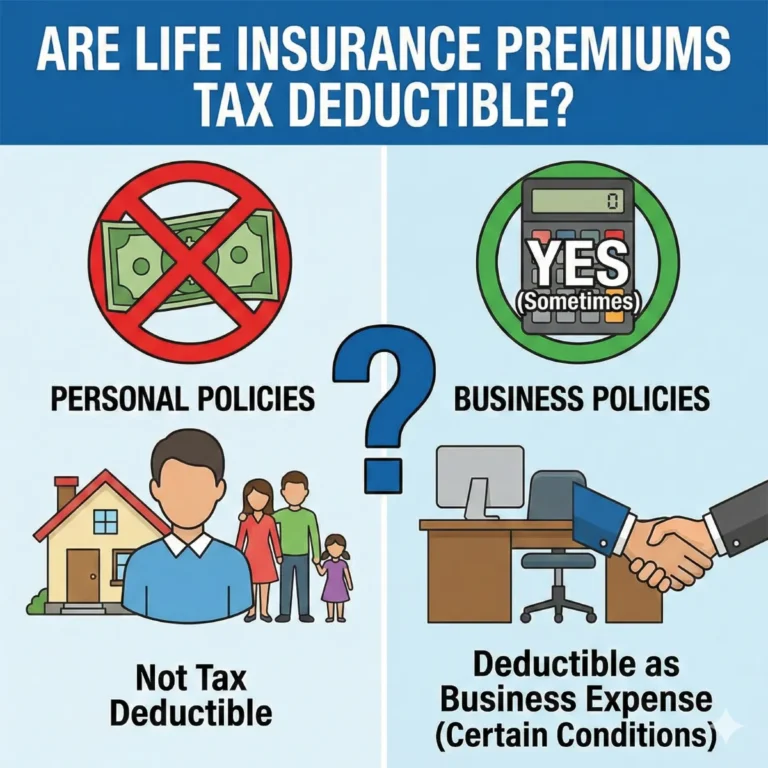
Are Life Insurance Premiums Tax Deductible?
By Steve Turner
• 2026-03-01
Are Life Insurance Premiums Tax Deductible? Call Steve Turner, your Licensed Insurance Agent & Broker for FREE HELP! -
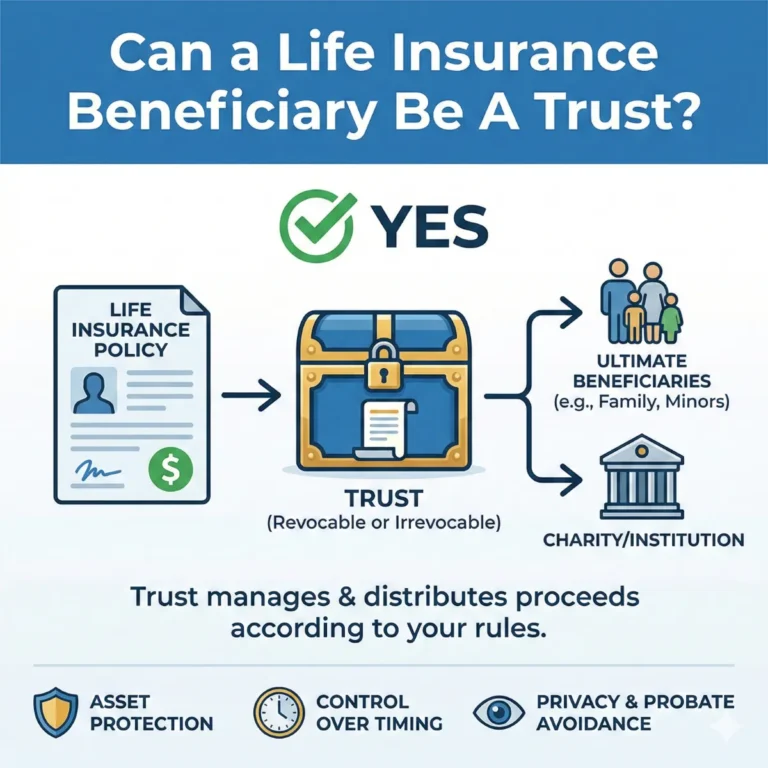
Can a Life Insurance Beneficiary Be A Trust in Florida?
By Steve Turner
• 2026-02-27
Naming a trust as your life insurance beneficiary can protect assets and control distributions. Explore the legal benefits today. Tap to Learn Now! -
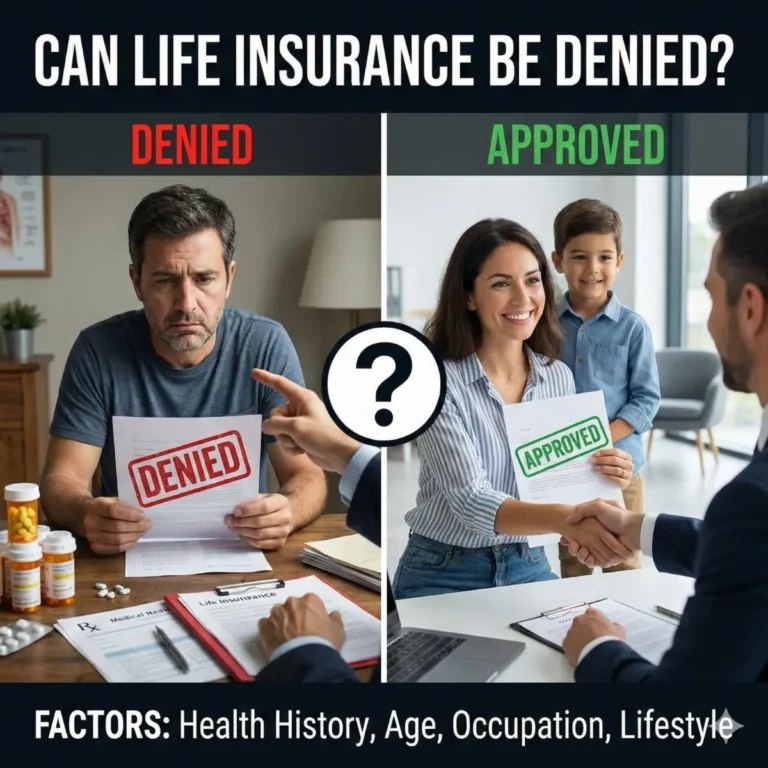
Can Life Insurance Be Denied? Florida Guide for 2027
By Steve Turner
• 2026-02-25
Life insurance can be denied at application or at claim. A Tampa Bay agent explains Florida’s 2-year contestability rule and how to protect your payout. -
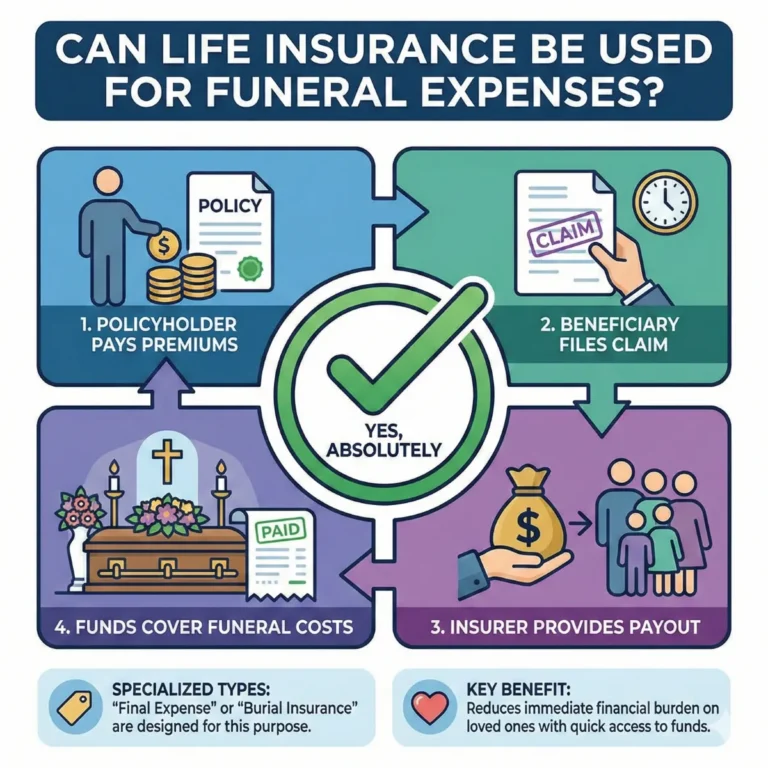
Can Life Insurance Pay for a Funeral? 2027 Tampa Bay Guide
By Steve Turner
• 2026-02-23
Yes, life insurance can pay for a funeral. A Tampa Bay broker compares term, final expense and Florida pre-need plans, 2027 costs, and Medicaid rules. -
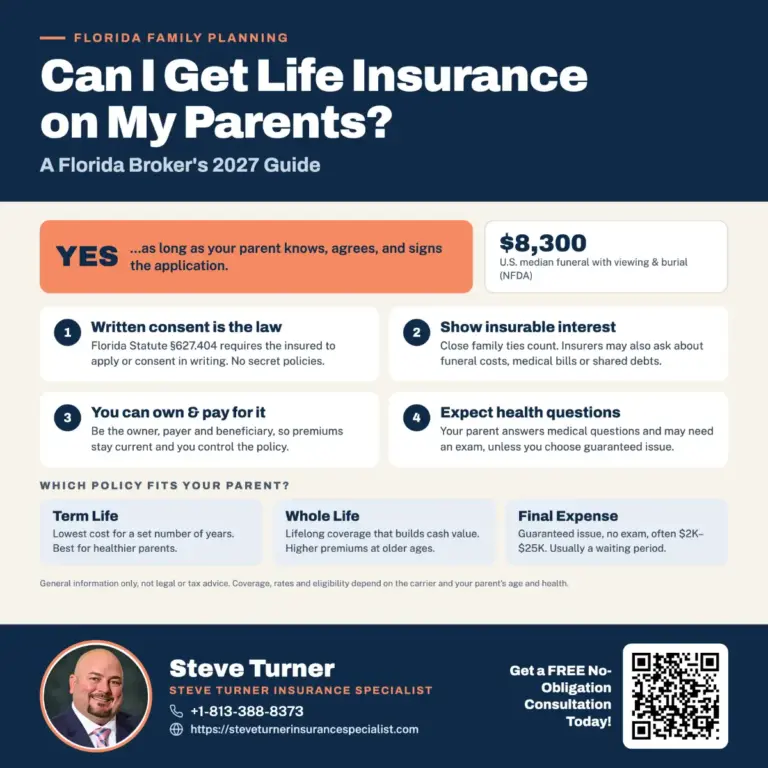
Life Insurance on Your Parents in Florida: 2027 Guide
By Steve Turner
• 2026-02-21
Yes, you can insure a parent in Florida with their consent. A licensed Tampa Bay broker explains 2027 costs, policy types, Medicaid rules and next steps. -
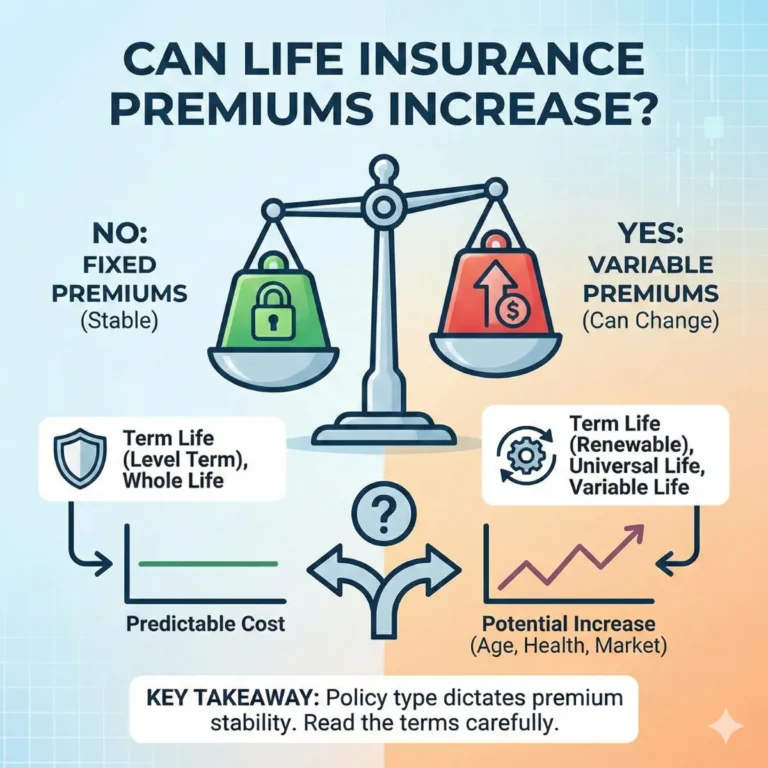
Can Life Insurance Premiums Increase in Florida?
By Steve Turner
• 2026-02-10
Do life insurance premiums increase over time? Learn about fixed vs. variable rates, policy renewals, and age-related costs. Tap to Learn Now! -
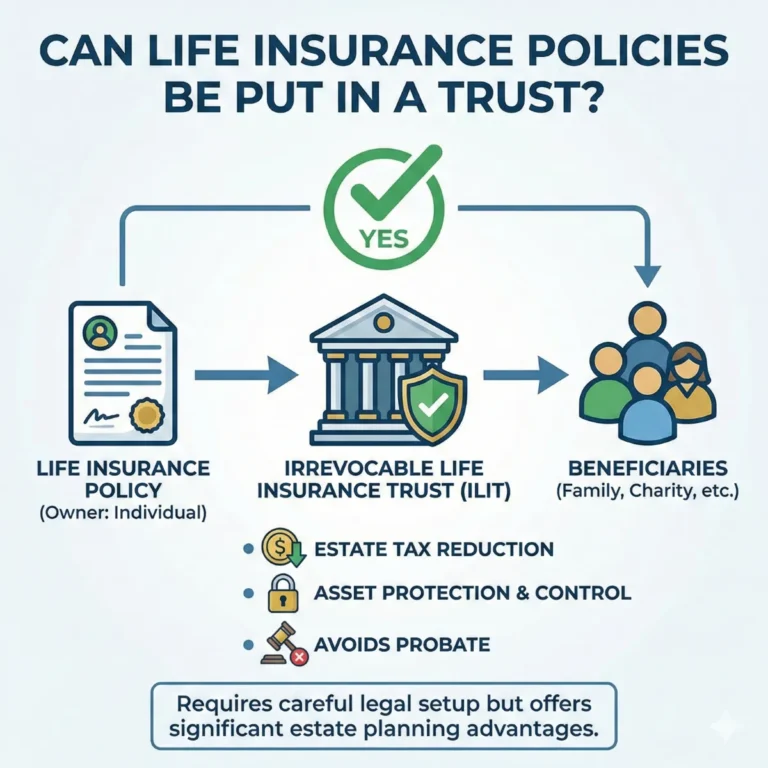
Can Life Insurance Policies Be Placed in a Trust in Florida?
By Steve Turner
• 2026-02-10
Learn how placing life insurance in a trust protects assets, avoids probate, and reduces estate taxes. Secure your legacy. Tap to Learn Now! -
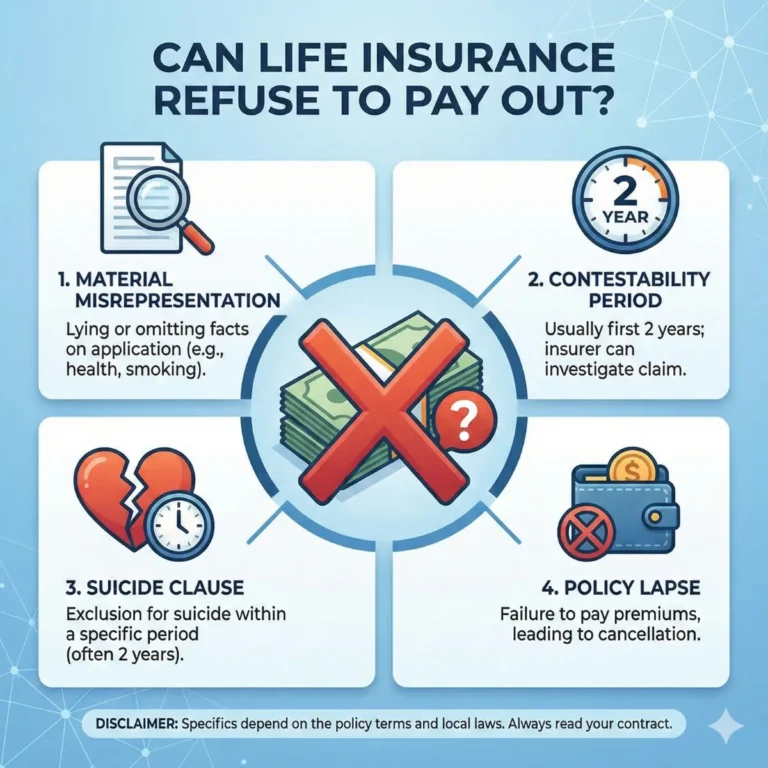
Can Life Insurance Refuse To Pay Out in Florida?
By Steve Turner
• 2026-02-10
Can life insurance refuse to pay? Learn about the contestability period, policy lapses, and common exclusions that affect your claim. Tap to Learn Now! -
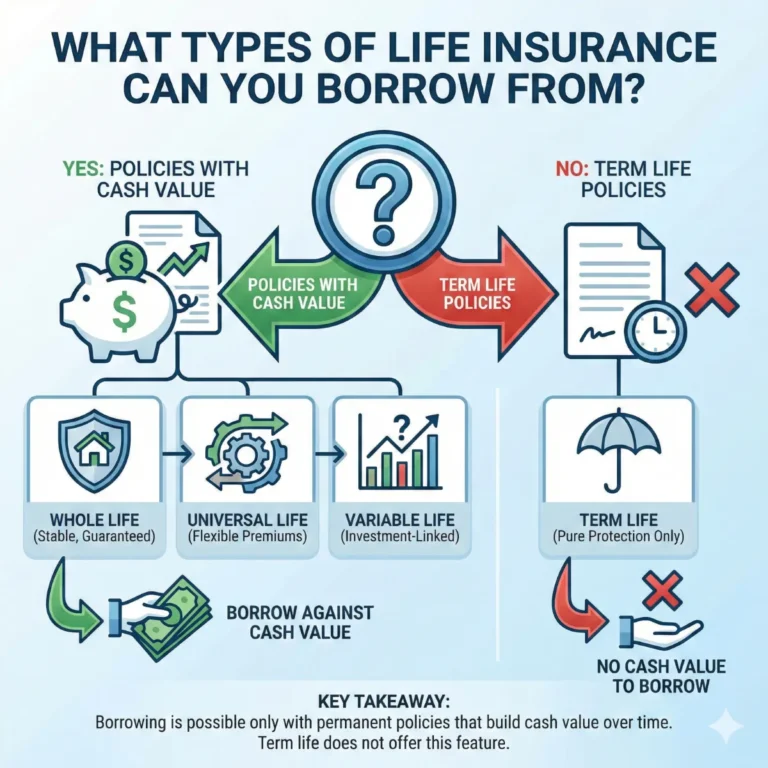
What Types of Life Insurance Can You Borrow From in Florida?
By Steve Turner
• 2026-02-10
Learn which permanent life insurance policies build cash value for tax-free loans. Compare whole and universal life options. Tap to Learn Now! -
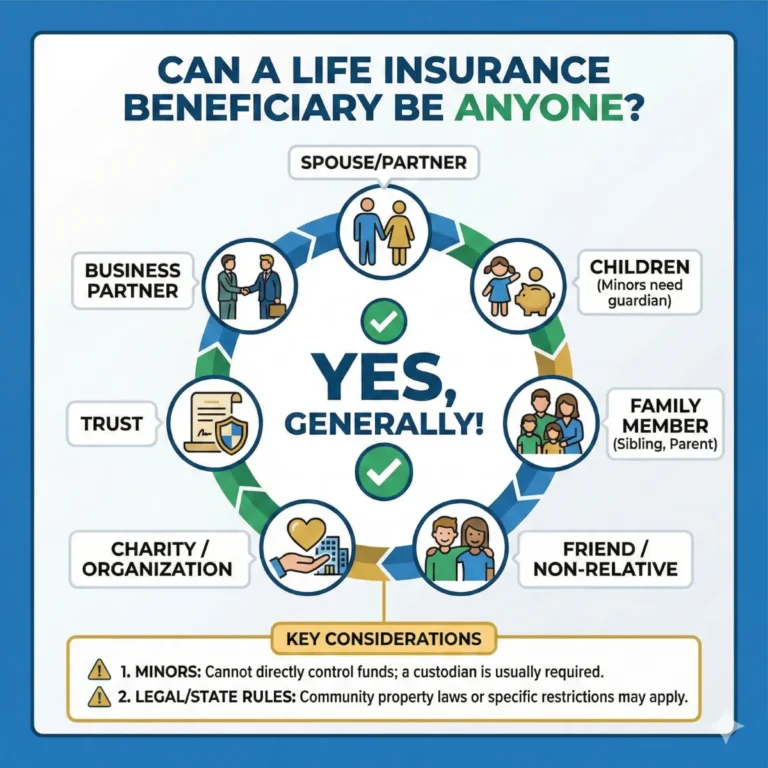
Can Anyone Be a Life Insurance Beneficiary in Florida?
By Steve Turner
• 2026-02-10
Choosing a life insurance beneficiary involves specific rules and tax impacts. Learn who you can name and how to protect your legacy. Tap to Learn Now! -
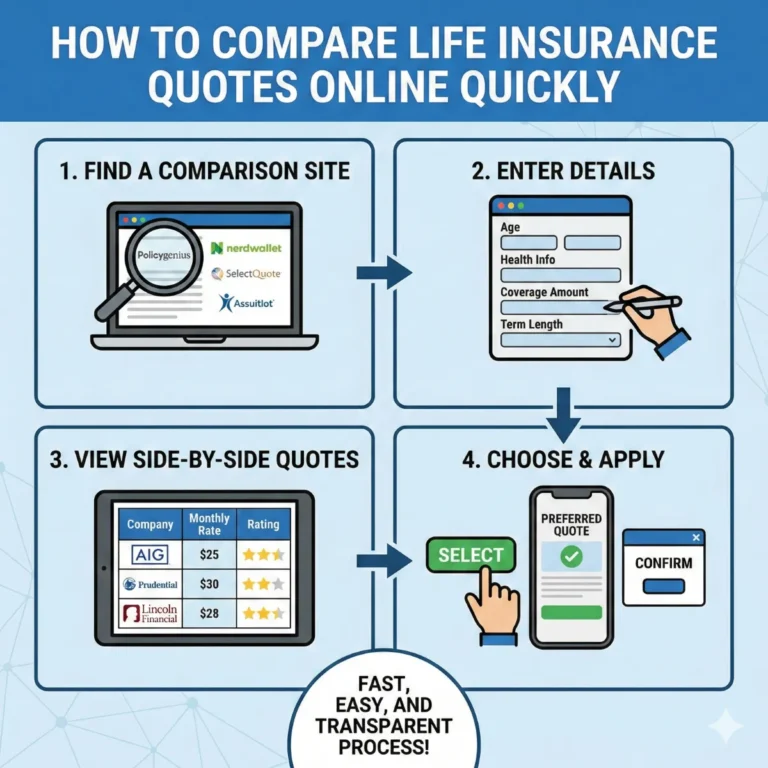
How Can I Compare Life Insurance Quotes Online Fast in FL?
By Steve Turner
• 2026-02-10
Looking for the best life insurance rates? Easily compare top-rated quotes and find the right coverage for your family’s needs. Tap to Learn Now! -
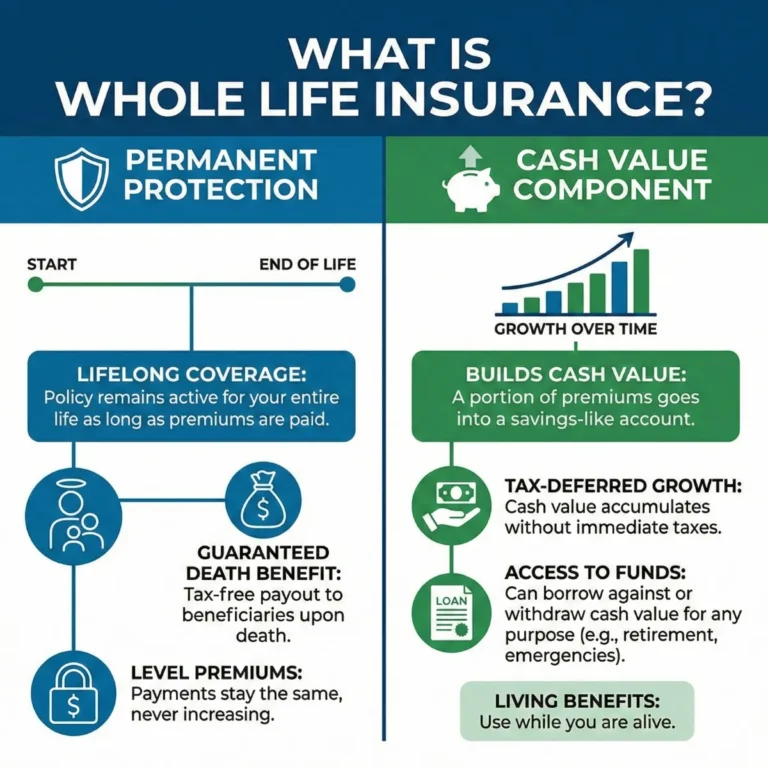
Whole Life Insurance in Tampa Bay (2027): Costs, Pros, Cons & Top Carriers
By Steve Turner
• 2026-02-10
What is whole life insurance? A Tampa Bay agent explains 2027 costs, cash value, dividends, Florida creditor protection, and when term is the better buy. -
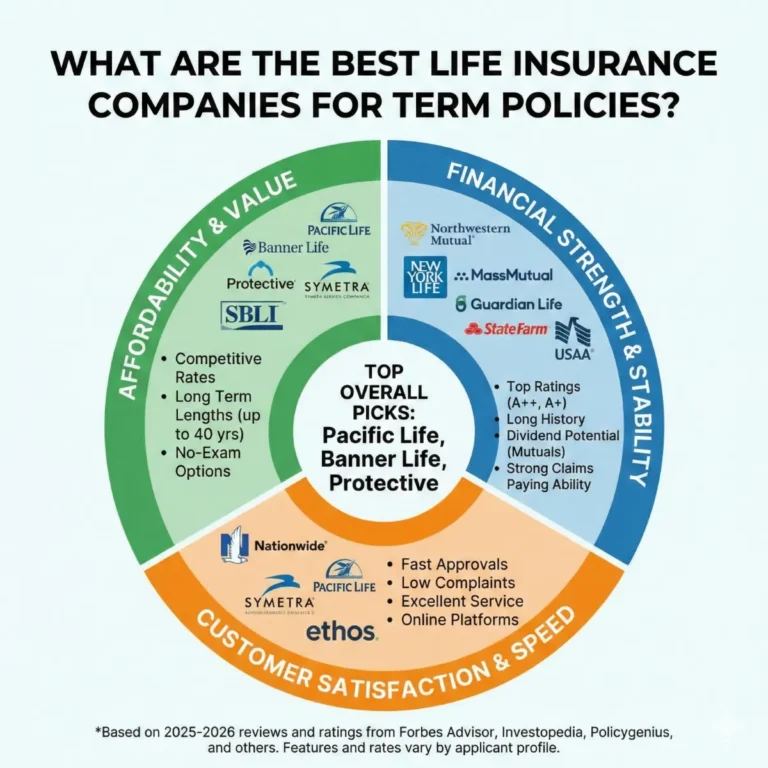
What Are The Best FL Term Policy Life Insurance Companies?
By Steve Turner
• 2026-02-10
Compare top-rated 2026 term life insurance from Pacific Life, Protective, and New York Life. Find affordable, reliable coverage. Tap to Learn Now! -
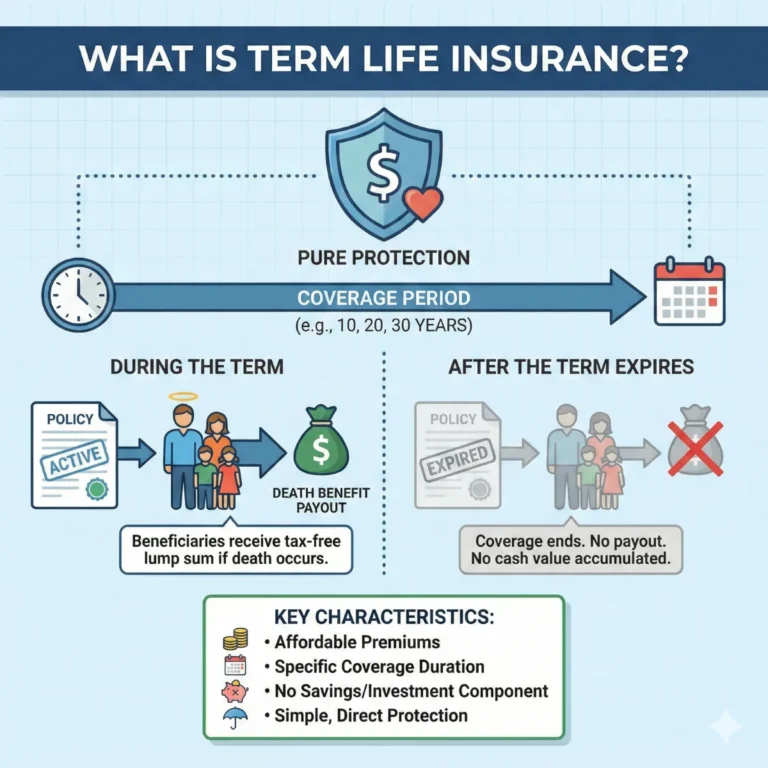
What Is Term Life Insurance? Low Cost for Floridians!
By Steve Turner
• 2026-02-10
Understand term life insurance basics, affordable rates, and how it protects your family for a set period. Get expert advice. Tap to Learn Now! -
What Type of Insurance Pays Off a Home Loan Upon Death in FL?
By Steve Turner
• 2026-02-10
Protect your home with Mortgage Protection Insurance (MPI) or Term Life. Learn how Steve Turner helps you secure a debt-free future. Tap to Learn Now! -

Family Life Insurance | Floridians Learn Here!
By Steve Turner
• 2025-05-30
Protect your loved ones with affordable family life insurance. Compare custom plans for security and peace of mind with Steve Turner. Tap to Learn Now! -

Save 6 Ways: Cheap Senior Life Insurance in Florida
By Steve Turner
• 2025-05-26
Discover 6 ways to secure affordable senior life insurance. Save on premiums, compare top 2026 rates, and protect your family today. Tap to Learn Now! -

Affordable Life Insurance | What Floridians Must Know!
By Steve Turner
• 2023-03-07
Finding affordable life insurance is easy with Steve Turner. Compare top-rated plans for families and businesses to save money. Tap to Learn Now! -

Whole Life Vs Term Life Insurance in Florida
By Steve Turner
• 2023-03-03
Compare Whole Life vs Term Life insurance to find the best coverage for your family’s future. See costs, benefits, and cash value. Tap to Learn Now!
Medicare plan availability differs by state and county. Steve Turner is licensed in AL, CO, FL, GA, NC, SC, TN, and TX.
Steve Turner is a licensed insurance agent and is not connected with or endorsed by the United States Government or the Federal Medicare Program. The Medicare Annual Enrollment Period is October 15 to December 7.
MEDICARE DISCLAIMER
We do not offer every plan available in your area. Any information we provide is limited to those plans we do offer in your area. Please contact Medicare.gov or 1-800-MEDICARE to get information on all of your options.
Steve Turner

Steve Turner, CLU®, REBC® is licensed in AL, CO, FL, GA, NC, SC, TN, and TX · NPN 18030539 · Florida License W333468
Steve Turner is a licensed agent and broker and a long-standing member of the National Association of Benefits and Insurance Professionals NABIP®. Steve holds the Registered Employee Benefits Consultant® (REBC®) designation. Steve also holds the “Chartered Life Underwriter” designation (CLU®), a professional credential for individuals specializing in life insurance and estate planning, conferred by the American College of Financial Services. Since 2016 (over 10 years), Steve has helped individuals, families, Medicare beneficiaries, and small businesses find the right coverage to meet their needs. Steve has earned 180+ Google reviews from happy clients.
Steve Turner is a licensed agent appointed by Florida Blue in Florida.