

10 Cheap Family Life Insurance

Family Life Insurance
Family Life Insurance
Building a family brings immense joy and profound responsibility. Protecting your loved ones financially is one of parents’ most significant responsibilities when the unexpected happens. Life insurance for families is a crucial safety net, helping your spouse and children maintain their quality of life and pursue their dreams even if a primary caregiver or income earner is no longer there.
While additional expenses can be daunting, especially for young families, cheap life insurance plans are readily available and can be tailored to fit most budgets. This article explores why families should prioritize life insurance, the types of coverage available, what drives costs, tips for securing affordable plans, notable insurance companies that cater to families, and typical pricing ranges for families with young children and parents of various ages.
Cheap Life Insurance Plans for Families
Why Families Should Seriously Consider Having Life Insurance and At What Ages
For families, especially those with dependent children, life insurance isn’t a luxury; it’s a core part of sound financial planning. The primary purpose is to ensure that the surviving family members can cope financially after the death of a parent. Consider these critical reasons:
- Income Replacement: Losing a parent often means losing a significant income stream. Life insurance can replace that income, helping the surviving spouse cover ongoing living expenses, including mortgage payments, utilities, groceries, and healthcare, and maintain the family’s standard of living.
- Childcare and Upbringing Costs: Raising children is costly. Suppose a parent, especially a primary caregiver (whether they earn an outside income or are a stay-at-home parent), passes away. In that case, the surviving parent may need to pay for childcare, after-school programs, and other services to help manage the household and care for the children. Replacing a stay-at-home parent’s services can be costly.
- Education Funding: Most parents dream of providing their children with a quality education. Life insurance can help ensure funds are available for college or vocational training, even if a parent can no longer contribute financially.
- Mortgage and Debt Repayment: Many families carry significant debt, with a mortgage as the largest for most. A life insurance payout can eliminate these debts, giving surviving family members the security of a debt-free home and relieving them of other financial burdens, such as car loans or credit card debt.
- Final Expenses: Funeral costs, burial expenses, and outstanding medical bills can total thousands of dollars. Life insurance can cover these immediate costs, preventing the family from dipping into savings or taking on more debt during an already emotional time.
- Maintaining Stability and Future Plans: The emotional toll of losing a parent is immense. Life insurance can help prevent further upheaval, allowing children to stay home, continue their education without interruption, and maintain normalcy during a difficult transition.
At What Ages Should Families Consider Getting Life Insurance?
The need for life insurance is most acute when children are young and financially dependent on their parents. Parents in their 20s, 30s, and 40s typically have the greatest need because of young children, large mortgages, and fewer accumulated assets.
- Parents Aged 21: Often new parents, possibly with a new mortgage. Life insurance is very affordable at this stage.
- Parents Aged 30: Families may grow, careers advance, and financial obligations increase. Needs are often at their peak.
- Parents Aged 40: Children might be older (pre-teens/teens), but college expenses loom, and income replacement is still critical.
- Parents Aged 50: Children might be approaching independence or be in college. Coverage needs may shift toward funding college, paying off debts, and ensuring the surviving spouse is financially secure as they enter retirement.
Suppose you have children between the ages of 1 and 17 (or older, if still dependent). In that case, both parents should have life insurance, whether they earn an income or are stay-at-home caregivers.
Types of Life Insurance Available for Families
Families have several options, primarily focused on protecting parents’ income and caregiving contributions, with supplemental options for children.
- Individual Term Life Insurance for Parents:
- Description: Each parent takes out a separate term life insurance policy for a specific period (e.g., 20, 25, or 30 years – often timed to last until the youngest child is financially independent). If a parent dies during the term, the beneficiaries receive the death benefit.
- Pros: Generally, the most affordable way to get substantial coverage. Flexible, as each parent can have a different coverage amount based on their income or contribution to the family. If one parent dies, the other parent’s policy remains in force.
- Cons: Coverage is temporary. If a parent outlives the term, they will be without coverage unless they renew the policy (at a much higher rate) or convert it.
- Individual Permanent Life Insurance for Parents (e.g., Whole Life, Universal Life):
- Description: Provides lifelong coverage and a tax-deferred cash value component that grows.
- Pros: Lifelong protection. Cash value can be borrowed against or withdrawn. It can support estate planning or legacy planning.
- Cons: Significantly more expensive than term life insurance, making it less of a “cheap” option for large coverage amounts needed by young families. Most families primarily need income replacement during working years, which term life insurance addresses cost-effectively.
- Joint Life Insurance for Parents:
- First-to-Die: A single policy covering both parents that pays out when the first parent dies. The policy then typically ends.
- Pros: Can sometimes be slightly cheaper than two individual policies.Cons: Leaves the surviving parent without coverage under that policy, and potentially requires them
- Less flexible upon divorce.
- Pros: Primarily used for estate planning to provide liquidity for estate taxes or to leave a significant legacy to children or charity.Cons: Not suitable for meeting the immediate financial needs of a surviving spouse and dependent children. For most families seeking affordable protection, two individual term policies are generally recommended over joint policies because they offer greater flexibility and ensure the surviving parent retains coverage.
- First-to-Die: A single policy covering both parents that pays out when the first parent dies. The policy then typically ends.
- Child Term Rider:
- Description: An add-on to a parent’s life insurance policy (usually term life) that provides a small amount of term life coverage (e.g., $5,000 to $25,000) for each eligible child. One rider typically covers all current and future eligible children for a single, low flat premium.
- Pros: An extremely affordable way to get coverage for children, primarily to cover funeral expenses or allow parents time off work. Often, it allows conversion to an individual permanent policy later in life without proof of insurability.
- Cons: Coverage amount is limited. Coverage under the rider ends when the child reaches a specified age (e.g., 23 or 25) or when the parent’s primary policy is no longer in effect.
- Individual Child Life Insurance (Typically Whole Life):
- Description: A separate, small whole life policy for a child.
- Pros: Provides lifelong coverage. Builds a small amount of cash value. Locks in the child’s future insurability at a young age, regardless of future health issues. Premiums are low and often guaranteed for life.
- Cons: More expensive per dollar of coverage than a child rider. The primary financial risk in a family lies with the parents, so families may be better off allocating funds to ensure adequate parental coverage first.
Priority for Families: The most critical need is adequate life insurance on both parents. Child coverage, while offering peace of mind, is secondary. Child riders are a very cost-effective way to address this secondary need.
Factors Affecting Life Insurance Premiums for Families
Several elements influence the cost of life insurance for family members:
- For Parents’ Policies:
- Age: Younger parents get significantly lower rates.
- Gender: Women generally pay less than men because they live longer.
- Health Status: Current health, pre-existing conditions (diabetes, heart disease, etc.), family medical history, height/weight ratio.
- Smoking Status: Smokers pay substantially more (often 2-4 times non-smoker rates).
- Lifestyle: Risky hobbies (e.g., rock climbing, aviation) or dangerous occupations.
- Coverage Amount (Death Benefit): Higher coverage typically results in higher premiums.
- Term Length: Longer terms (e.g., 30 years) cost more per month than shorter terms (e.g., 20 years).
- Policy Type: Term life insurance is the most affordable option; permanent policies are generally more expensive.
- For Child Riders:
- The cost is typically a flat rate per unit of coverage (e.g., $5-$7 per year for every $1,000 of coverage).
- It’s usually not individually underwritten based on each child’s health; it depends on whether the parent qualifies for the policy.
- One rider premium often covers all eligible children in the family.
- For Individual Child Policies:
- Child’s Age: The younger the child, the lower the premium.
- Coverage Amount: Small face amounts ($10,000 to $50,000) are typical.
- Health: Although underwriting is simplified, severe health conditions can impact eligibility or increase costs.
Tips for Finding Affordable Life Insurance for Families
- Prioritize Parental Coverage: Ensure parents, especially the primary income earners, have adequate coverage first. Don’t forget the economic value of a stay-at-home parent.
- Choose Term Life Insurance: For income replacement and debt coverage during child-rearing years, term life insurance offers the most coverage for the lowest premium.
- Shop Around Extensively: Premiums can vary dramatically between insurers. Get quotes from multiple companies. An independent broker can be invaluable because they represent multiple carriers.
- Buy When You’re Young and Healthy: The younger and healthier the parents are, the cheaper the premiums. Starting a family is an ideal time to lock in low rates.
- Utilize Child Term Riders: This is the most cost-effective way to get basic life insurance coverage for your children. A single rider can cover multiple children for a very low cost.
- Determine the Right Coverage Amount: Avoid over-insuring, but also avoid under-insuring. A standard guideline is 10-12 times annual income, including mortgage and debt payments, plus college funds. Use online needs calculators.
- Consider Layering Policies (Laddering): Parents might buy multiple term policies with different lengths to match changing needs over time (e.g., a larger 20-year policy while the kids are young and a smaller 30-year policy to cover the mortgage).
- Improve Health and Quit Smoking: Making positive lifestyle changes can lead to significant savings, especially quitting smoking (usually need to be smoke-free for at least 12 months for non-smokers).
- Check for Group Insurance Through Your Employer: Many employers offer basic group life insurance, often at no cost or a minimal premium. While it is typically not sufficient as primary coverage, it can be a good supplement.
- Pay Annually: If you can afford it, paying your premium annually rather than monthly can often save you a small percentage.
Life Insurance Companies Specializing in Family Life Insurance
Families have access to a wide range of national insurers that offer products well-suited to family needs. “Specializing” often means they provide competitive term life rates, robust and affordable child rider options, and flexible policies. Given Florida’s unique demographics, which include many young families, these national providers are eager to offer attractive plans.
- Banner Life (and William Penn in NY): A top choice for low-cost term life insurance. Their underwriting can be favorable, and they offer competitive rates for various age groups.
- Protective Life: Known for affordable term life policies, often with longer-term options at reasonable prices, suitable for families who want coverage well past college.
- Haven Life (backed by MassMutual): Offers an easy online term life application process, appealing to busy parents. They also offer an affordable child rider.
- Prudential: A well-established insurer with a variety of term and permanent products. They offer child riders and sometimes offer “no-exam” policies for specific coverage amounts.
- State Farm: With an extensive network of local agents, they can provide personalized service. They offer term, whole, universal life, and child riders.
- Pacific Life: Often offers competitive term life rates and policies with good conversion options, which can be valuable.
- Mutual of Omaha: Offers competitive term policies and is known for its child life insurance options, including riders. [Cheap Life Insurance Plans for Families]
- Nationwide: Offers family-friendly insurance products, including term life with child riders.
- Foresters Financial: A fraternal benefit society that offers life insurance products, often with unique member benefits that can appeal to families. They have competitive child rider options.
- Gerber Life: While famous for their individual children’s whole life policies (like the Gerber Grow-Up Plan), which lock in future insurability, parents should first ensure their coverage is adequate.
When choosing, families should compare quotes, review the company’s financial stability (A.M. Best, S&P, Moody’s ratings), customer service records, and the specifics of child rider options (cost, coverage per child, conversion privileges).
Typical Family Life Insurance Pricing
Estimating life insurance costs for families involves considering coverage for both parents and, potentially, a child rider. The following are estimated monthly premium ranges for families with two non-smoker parents in excellent health and two children (ages 1-17). One parent’s policy includes a child term rider for the children
Assumptions:
- Parents: Non-Smokers, Excellent Health.
- Coverage: Two individual 20-year term life policies for the parents.
- Child Rider: Add a child rider to one parent’s policy, providing $10,000 coverage for each child. A typical child rider might cost $5-$7 per $1,000 of coverage annually, often as a flat fee for eligible children. So, a $ 10,000-per-child rider might cost roughly $50-$70 per year (or $4-$6 per month) for all children.
Pricing Structure Shown:
- Cost for Parent 1 (e.g., Male)
- Cost for Parent 2 (e.g., Female)
- Typical additional monthly cost for a Child Rider covering two children.
- Estimated Total Monthly Family Premium.
Parents Aged 21 (with two children ages 1-17):
- Parent 1 (Male, $500,000, 20-yr term): $18 – $30
- Parent 2 (Female, $500,000, 20-yr term): $15 – $25
- Child Rider (e.g., $10k/child, for two children): $4 – $6
- Estimated Total Monthly Family Premium: $37 – $61
Parents Aged 30 (with two children ages 1-17):
- Parent 1 (Male, $500,000, 20-yr term): $22 – $38
- Parent 2 (Female, $500,000, 20-yr term): $18 – $30
- Child Rider (e.g., $10k/child, for two children): $4 – $6
- Estimated Total Monthly Family Premium: $44 – $74
Parents Aged 40 (with two children ages 1-17):
- Parent 1 (Male, $500,000, 20-yr term): $40 – $65
- Parent 2 (Female, $500,000, 20-yr term): $30 – $55
- Child Rider (e.g., $10k/child, for two children): $4 – $7 (may slightly increase or be bundled with higher parent premium)
- Estimated Total Monthly Family Premium: $74 – $127
Parents Aged 50 (with two children ages 1-17, though children are more likely older teens):
This scenario assumes you still want a 20-year term, perhaps to cover the final college years and children’s early adulthood, or to ensure the spouse’s security.
- Parent 1 (Male, $250,000, 20-yr term): $50 – $85 (coverage might be reduced at this age for affordability)
- Parent 2 (Female, $250,000, 20-yr term): $38 – $65
- Child Rider (e.g., $10k/child, for two children): $5 – $8 (if still eligible and offered)
- Estimated Total Monthly Family Premium (for $250k coverage each): $93 – $158. If $500,000 coverage is maintained at age 50 for a 20-year term:
- Parent 1 (Male, $500,000, 20-yr term): $100 – $160
- Parent 2 (Female, $500,000, 20-yr term): $75 – $120
- Child Rider: $5 – $8
- Estimated Total Monthly Family Premium (for $500k coverage each): $180 – $288
Essential Notes on Pricing:
- These estimates assume individuals in excellent health. Any health conditions or lifestyle risks will increase premiums.
- A 30-year term, which offers longer protection, will have higher monthly premiums than a 20-year term.
- Child riders are very low-cost and offer excellent value. Some companies offer up to $25,000 per child.
- Always get personalized quotes from multiple insurers.
Conclusion
In conclusion, securing affordable life insurance for families is a responsible, loving act. Families can build a strong financial safety net by prioritizing sufficient coverage for both parents, leveraging affordable term life insurance, and utilizing cost-effective child riders. This ensures your children’s needs are met, no matter what the future holds, and your family’s dreams can keep flourishing.
OUR CLIENT REVIEWS


CONTACT STEVE TURNER, LICENSED INSURANCE AGENT & BROKER
Questions? Call, text, or book a time below; I answer calls and emails 7 Days a week from 7:00 a.m. to 8:00 p.m., excluding posted holidays.
EMAIL STEVE
OFFICE LOCATION
Address: 14502 N Dale Mabry Hwy, Suite 200, Tampa, FL 33618
Website: steveturnerinsurancespecialist.com
Email: [email protected]
Phone and Text: +1-813-388-8373
Business Hours:
Monday: 7:00 a.m. / 8:00 p.m.
Tuesday: 7:00 a.m. / 8:00 p.m.
Wednesday: 7:00 a.m. / 8:00 p.m.
Thursday: 7:00 a.m. / 8:00 p.m.
Friday: 7:00 a.m. / 8:00 p.m.
Saturday: 7:00 a.m. / 8:00 p.m.
Sunday: 7:00 a.m. / 8:00 p.m.
LIFE INSURANCE POSTS
-
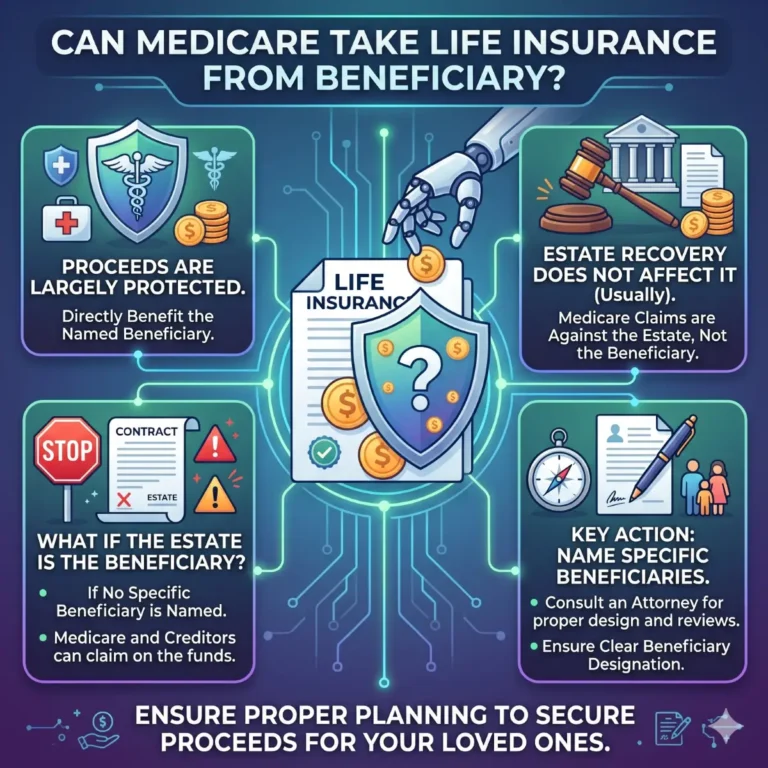
Can Medicare Take Life Insurance From a Beneficiary?
By Steve Turner
• 2026-05-04
Can Medicare take life insurance from a beneficiary? Learn when recovery applies, what’s protected, and how to safeguard your loved ones’ benefits. -
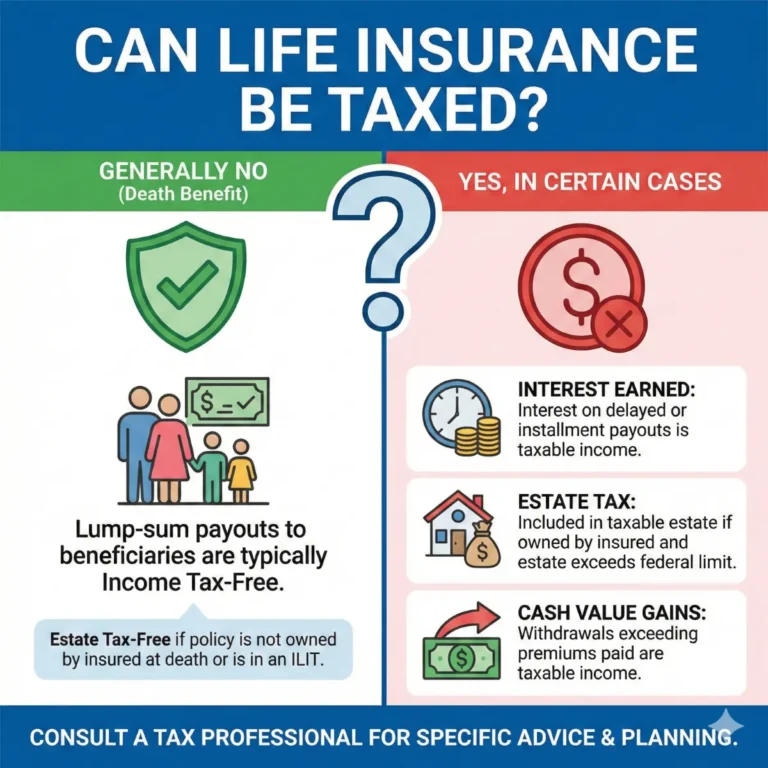
Can Life Insurance Be Taxed in Florida?
By Steve Turner
• 2026-03-16
While life insurance payouts are generally tax-free, specific rules apply to cash value and interest. Learn how to protect your legacy. Tap to Learn Now! -
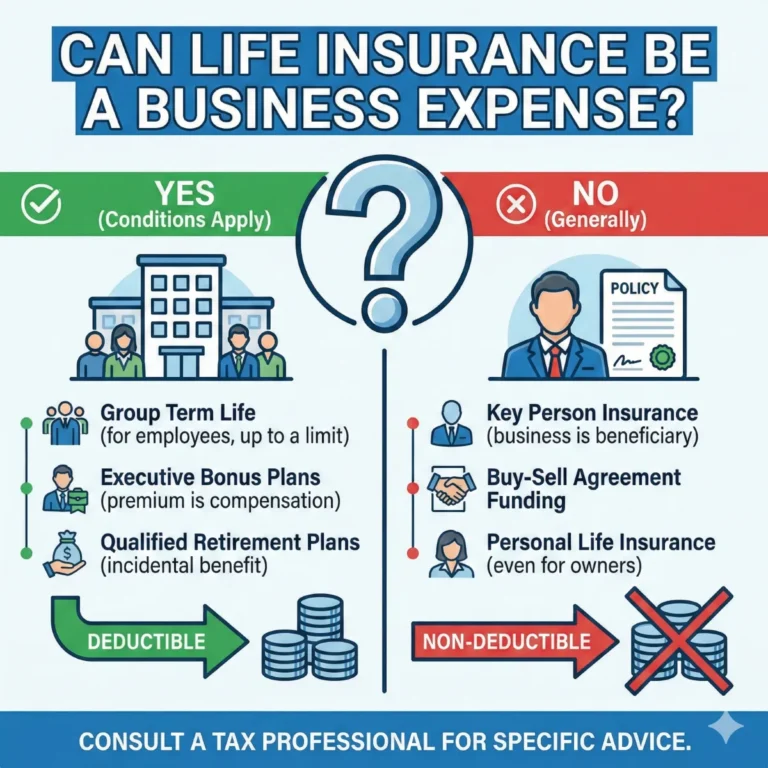
Can Life Insurance Be A Business Expense in Florida?
By Steve Turner
• 2026-03-13
Can business owners deduct life insurance premiums? Discover the rules for tax-advantaged coverage and IRS guidelines. Tap to Learn Now! -

Can Life Insurance Payout Go Into A Trust in Florida?
By Steve Turner
• 2026-03-07
Can a life insurance payout go into a trust? Learn how trusts protect heirs, bypass probate, and offer tax advantages for your family. Tap to Learn Now! -
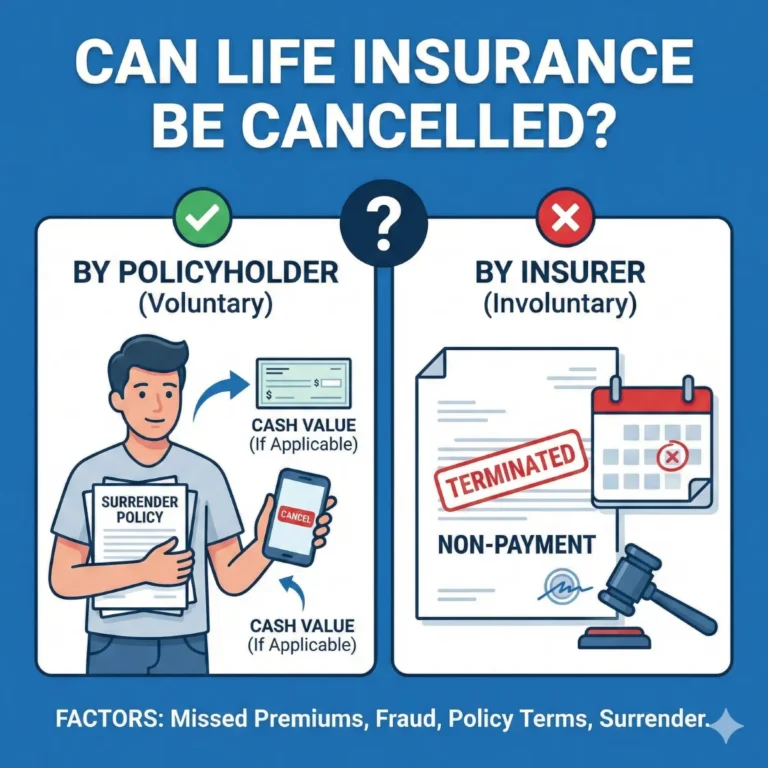
Can You Cancel Life Insurance in Florida?
By Steve Turner
• 2026-03-04
Can your life insurance be cancelled? Discover the truth about non-payment, fraud, and how to protect your policy today with Steve Turner. Tap to Learn Now! -
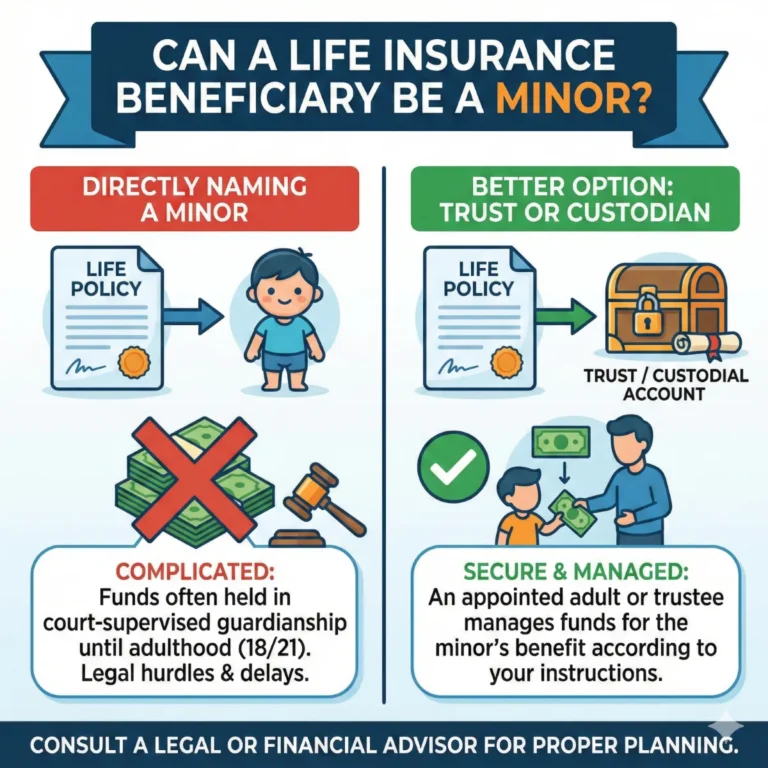
Can a Life Insurance Beneficiary Be A Minor in Florida?
By Steve Turner
• 2026-03-02
Naming a minor as a beneficiary? Learn the legal risks, from court delays to custodial accounts, and how to protect your child’s future. Tap to Learn Now! -
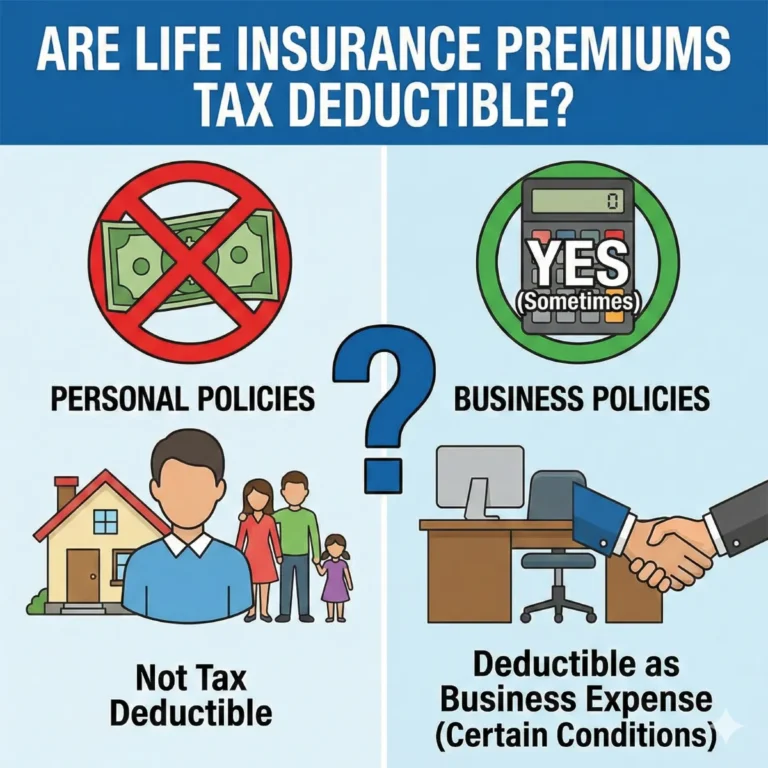
Are Life Insurance Premiums Tax Deductible?
By Steve Turner
• 2026-03-01
Are Life Insurance Premiums Tax Deductible? Call Steve Turner, your Licensed Insurance Agent & Broker for FREE HELP! -
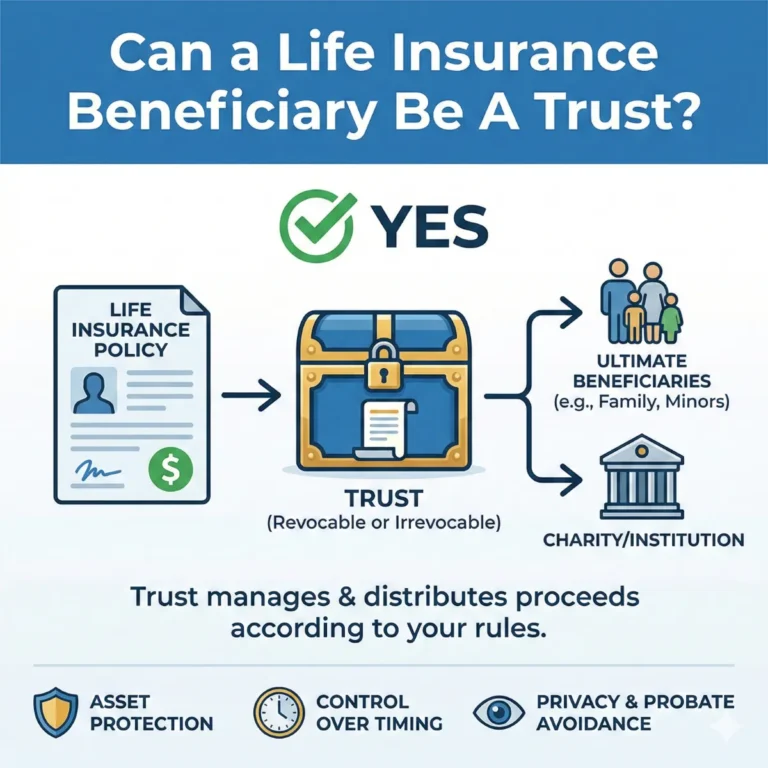
Can a Life Insurance Beneficiary Be A Trust in Florida?
By Steve Turner
• 2026-02-27
Naming a trust as your life insurance beneficiary can protect assets and control distributions. Explore the legal benefits today. Tap to Learn Now! -
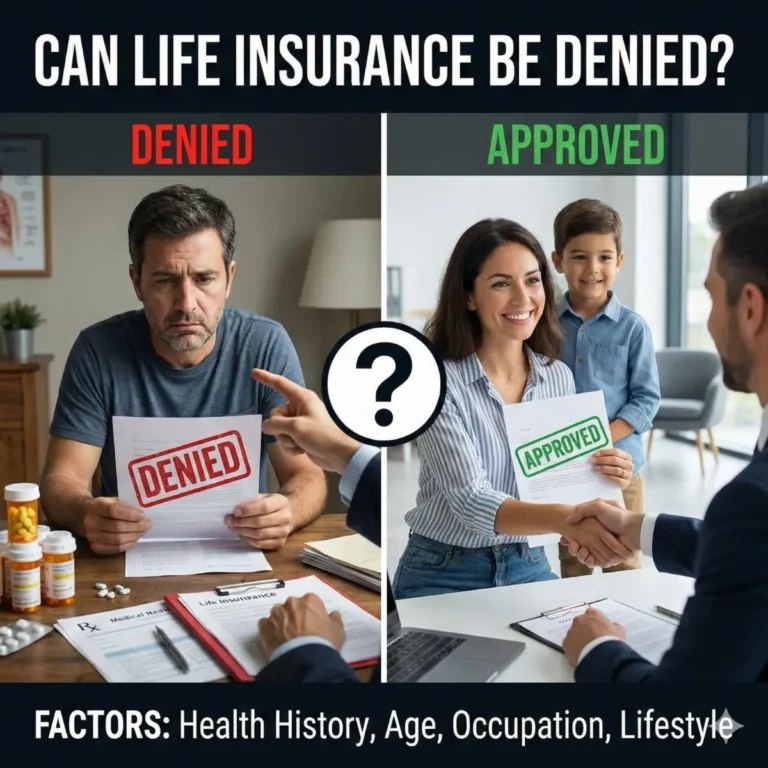
Can Life Insurance Be Denied? Florida Guide for 2027
By Steve Turner
• 2026-02-25
Life insurance can be denied at application or at claim. A Tampa Bay agent explains Florida’s 2-year contestability rule and how to protect your payout. -
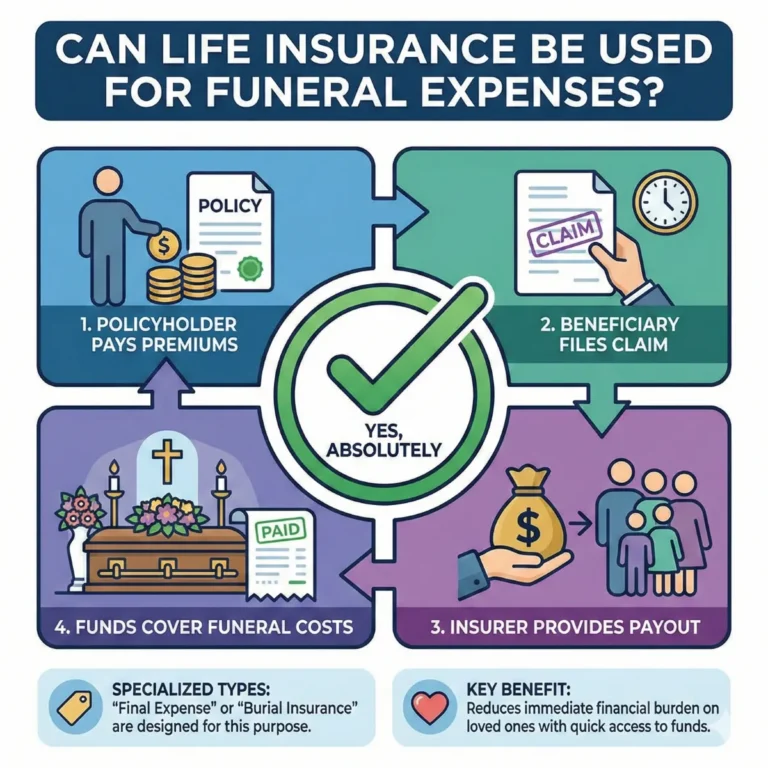
Can Life Insurance Pay for a Funeral? 2027 Tampa Bay Guide
By Steve Turner
• 2026-02-23
Yes, life insurance can pay for a funeral. A Tampa Bay broker compares term, final expense and Florida pre-need plans, 2027 costs, and Medicaid rules. -
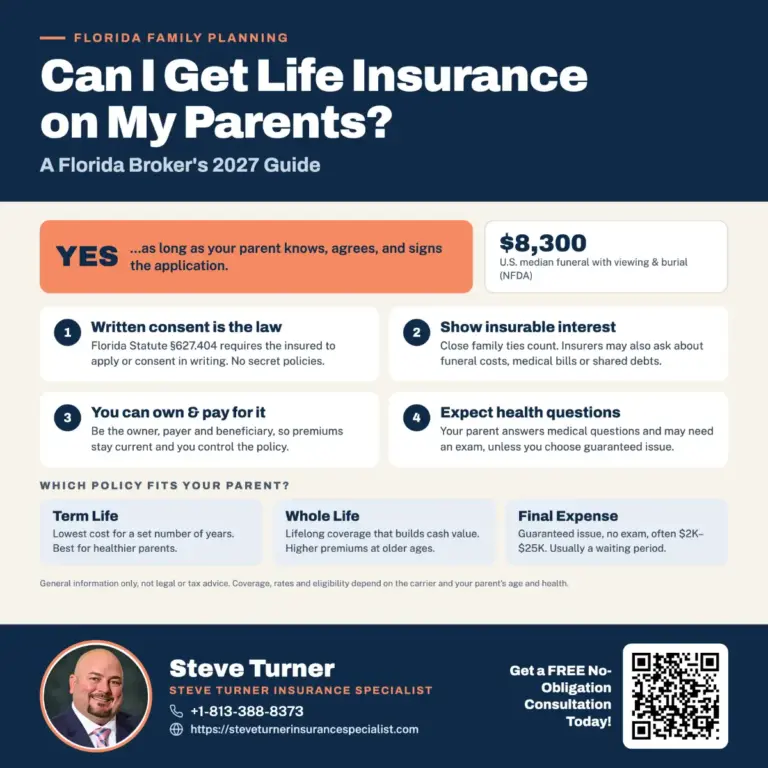
Life Insurance on Your Parents in Florida: 2027 Guide
By Steve Turner
• 2026-02-21
Yes, you can insure a parent in Florida with their consent. A licensed Tampa Bay broker explains 2027 costs, policy types, Medicaid rules and next steps. -
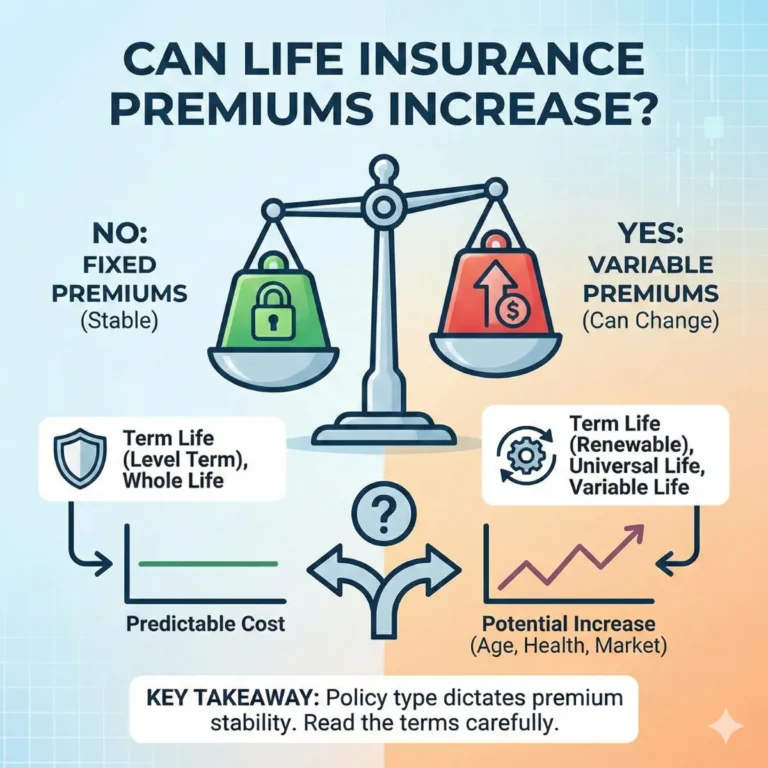
Can Life Insurance Premiums Increase in Florida?
By Steve Turner
• 2026-02-10
Do life insurance premiums increase over time? Learn about fixed vs. variable rates, policy renewals, and age-related costs. Tap to Learn Now! -
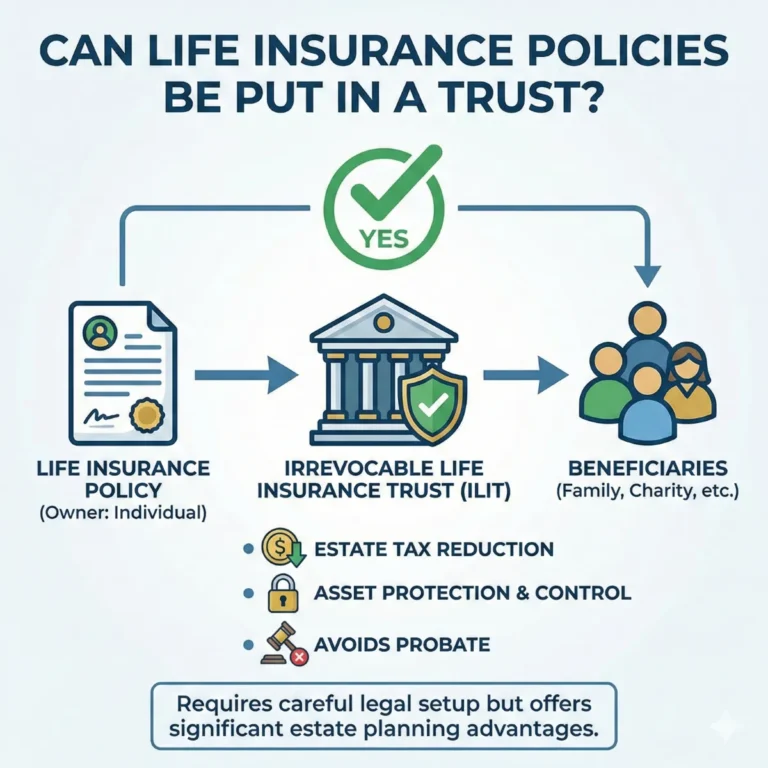
Can Life Insurance Policies Be Placed in a Trust in Florida?
By Steve Turner
• 2026-02-10
Learn how placing life insurance in a trust protects assets, avoids probate, and reduces estate taxes. Secure your legacy. Tap to Learn Now! -
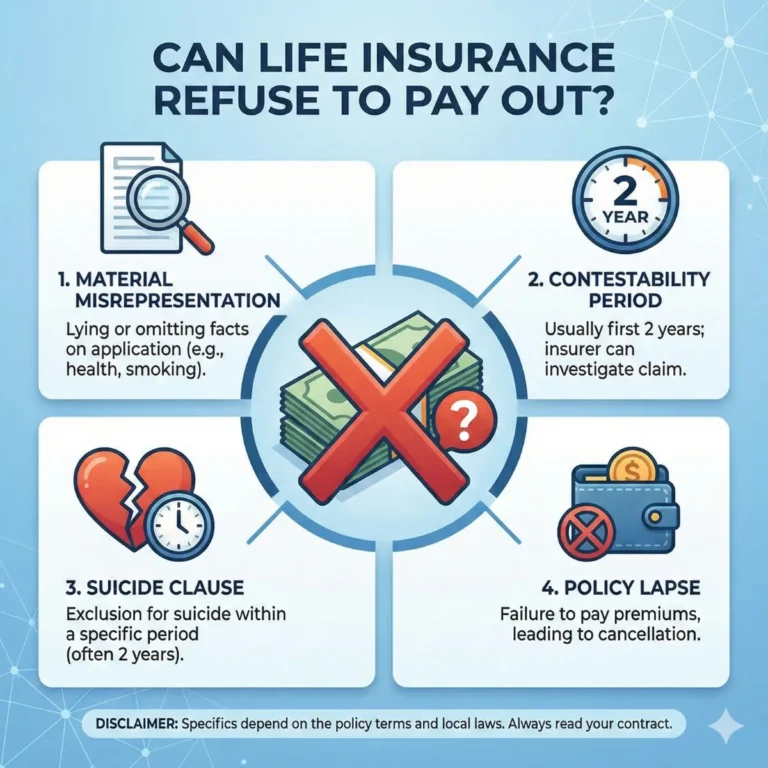
Can Life Insurance Refuse To Pay Out in Florida?
By Steve Turner
• 2026-02-10
Can life insurance refuse to pay? Learn about the contestability period, policy lapses, and common exclusions that affect your claim. Tap to Learn Now! -
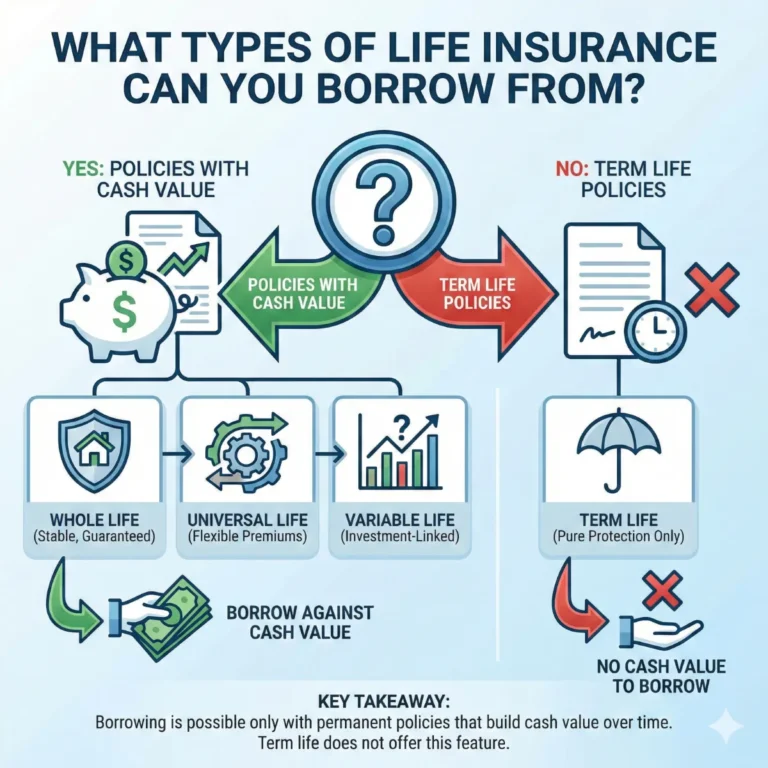
What Types of Life Insurance Can You Borrow From in Florida?
By Steve Turner
• 2026-02-10
Learn which permanent life insurance policies build cash value for tax-free loans. Compare whole and universal life options. Tap to Learn Now! -
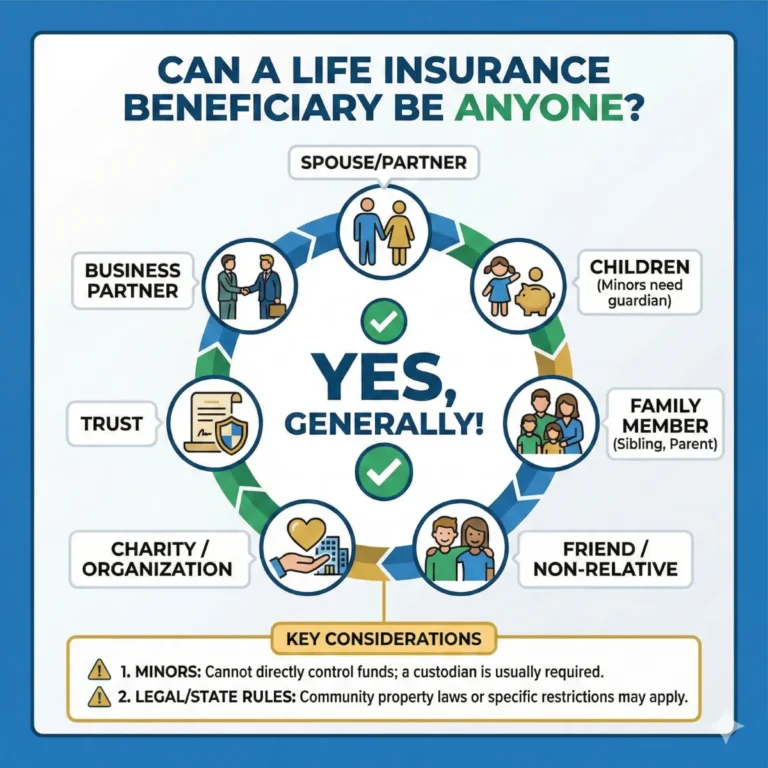
Can Anyone Be a Life Insurance Beneficiary in Florida?
By Steve Turner
• 2026-02-10
Choosing a life insurance beneficiary involves specific rules and tax impacts. Learn who you can name and how to protect your legacy. Tap to Learn Now! -
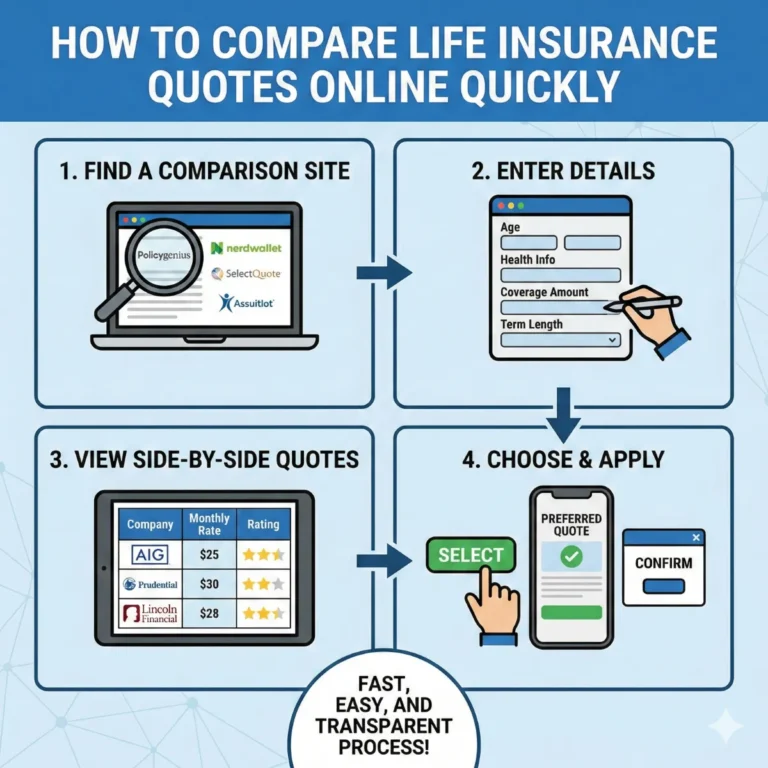
How Can I Compare Life Insurance Quotes Online Fast in FL?
By Steve Turner
• 2026-02-10
Looking for the best life insurance rates? Easily compare top-rated quotes and find the right coverage for your family’s needs. Tap to Learn Now! -
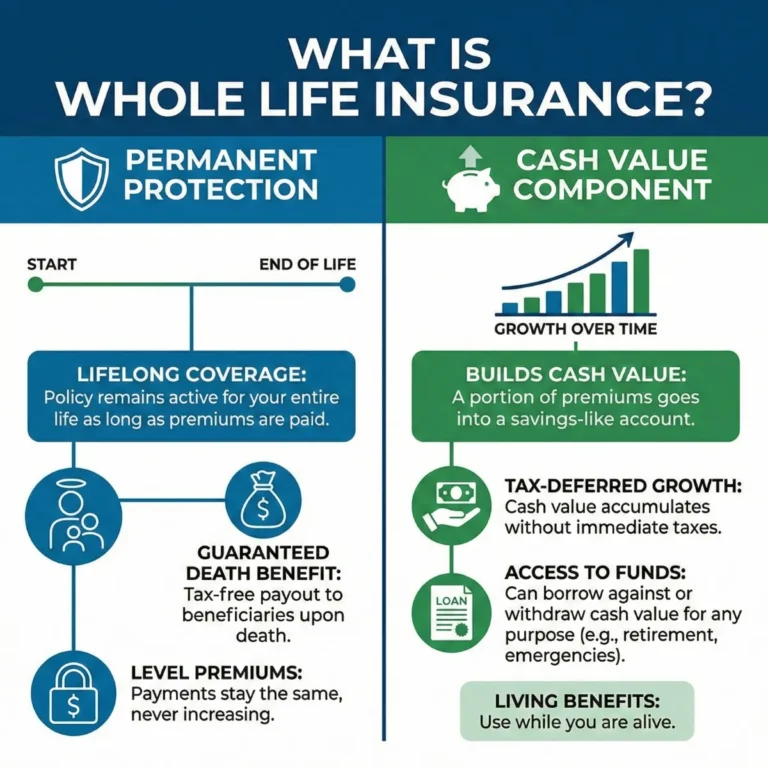
Whole Life Insurance in Tampa Bay (2027): Costs, Pros, Cons & Top Carriers
By Steve Turner
• 2026-02-10
What is whole life insurance? A Tampa Bay agent explains 2027 costs, cash value, dividends, Florida creditor protection, and when term is the better buy. -
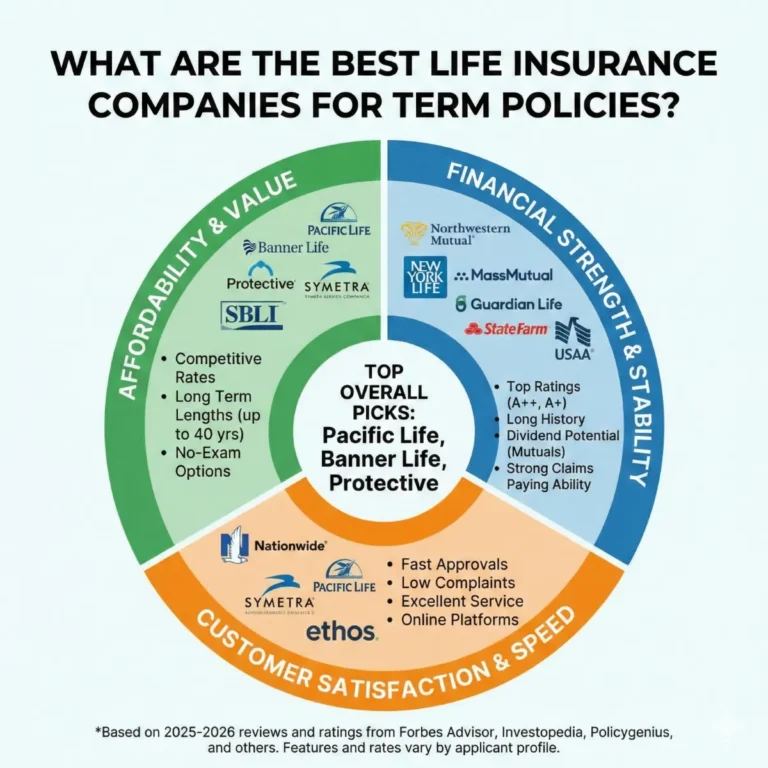
What Are The Best FL Term Policy Life Insurance Companies?
By Steve Turner
• 2026-02-10
Compare top-rated 2026 term life insurance from Pacific Life, Protective, and New York Life. Find affordable, reliable coverage. Tap to Learn Now! -
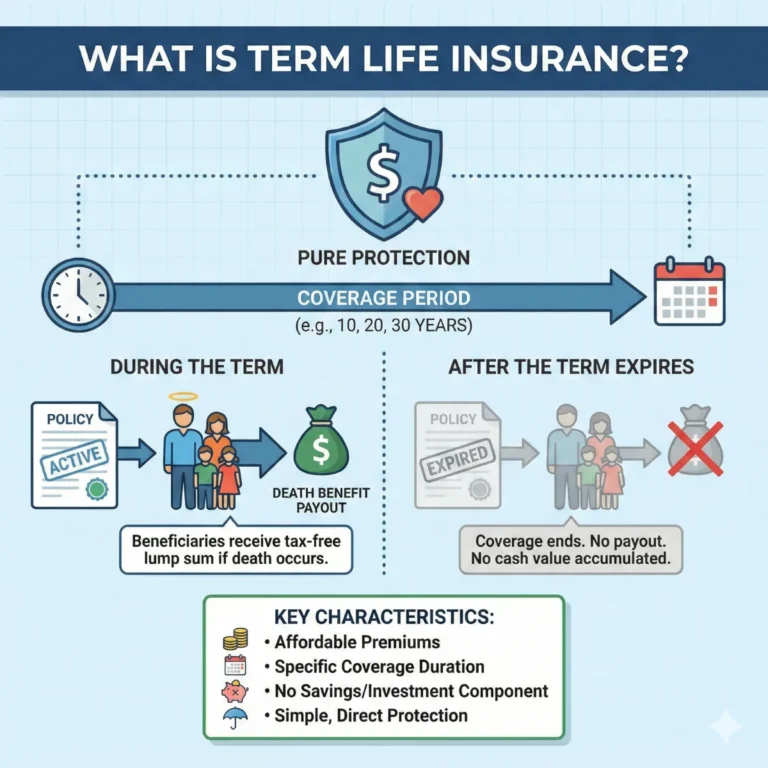
What Is Term Life Insurance? Low Cost for Floridians!
By Steve Turner
• 2026-02-10
Understand term life insurance basics, affordable rates, and how it protects your family for a set period. Get expert advice. Tap to Learn Now! -
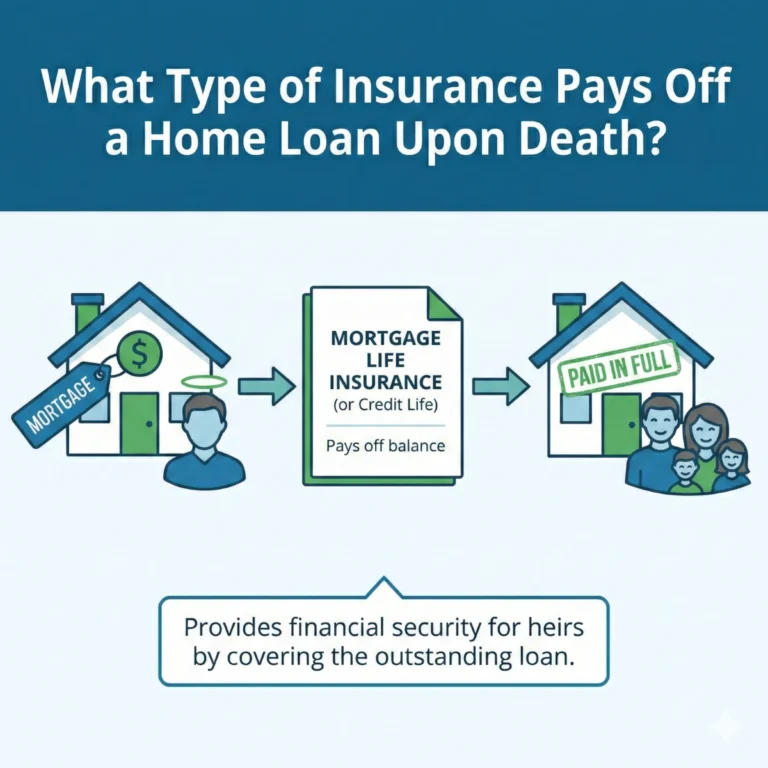
What Type of Insurance Pays Off a Home Loan Upon Death in FL?
By Steve Turner
• 2026-02-10
Protect your home with Mortgage Protection Insurance (MPI) or Term Life. Learn how Steve Turner helps you secure a debt-free future. Tap to Learn Now! -

10 Cheap Life Insurance for Couples
By Steve Turner
• 2025-05-28
Looking for affordable life insurance for couples? Compare the best joint and individual rates to secure your family’s future today. Tap to Learn Now! -

Save 6 Ways: Cheap Senior Life Insurance in Florida
By Steve Turner
• 2025-05-26
Discover 6 ways to secure affordable senior life insurance. Save on premiums, compare top 2026 rates, and protect your family today. Tap to Learn Now! -

Affordable Life Insurance | What Floridians Must Know!
By Steve Turner
• 2023-03-07
Finding affordable life insurance is easy with Steve Turner. Compare top-rated plans for families and businesses to save money. Tap to Learn Now! -

Whole Life Vs Term Life Insurance in Florida
By Steve Turner
• 2023-03-03
Compare Whole Life vs Term Life insurance to find the best coverage for your family’s future. See costs, benefits, and cash value. Tap to Learn Now!
Medicare plan availability differs by state and county. Steve Turner is licensed in AL, CO, FL, GA, NC, SC, TN, and TX.
Steve Turner is a licensed insurance agent and is not connected with or endorsed by the United States Government or the Federal Medicare Program. The Medicare Annual Enrollment Period is October 15 to December 7.
MEDICARE DISCLAIMER
We do not offer every plan available in your area. Any information we provide is limited to those plans we do offer in your area. Please contact Medicare.gov or 1-800-MEDICARE to get information on all of your options.
Steve Turner

Steve Turner, CLU®, REBC® is licensed in AL, CO, FL, GA, NC, SC, TN, and TX · NPN 18030539 · Florida License W333468
Steve Turner is a licensed agent and broker and a long-standing member of the National Association of Benefits and Insurance Professionals NABIP®. Steve holds the Registered Employee Benefits Consultant® (REBC®) designation. Steve also holds the “Chartered Life Underwriter” designation (CLU®), a professional credential for individuals specializing in life insurance and estate planning, conferred by the American College of Financial Services. Since 2016 (over 10 years), Steve has helped individuals, families, Medicare beneficiaries, and small businesses find the right coverage to meet their needs. Steve has earned 180+ Google reviews from happy clients.
Steve Turner is a licensed agent appointed by Florida Blue in Florida.