

Save 6 Ways: Cheap Senior Life Insurance

Save 6 Ways: Cheap Senior Life Insurance
As we enter our golden years, financial planning takes on new significance. While retirement, healthcare, and estate planning often take center stage, life insurance for seniors remains crucial, offering peace of mind and financial security for loved ones. Many seniors may believe life insurance is too expensive or unnecessary, but affordable options can cover final expenses, pay off debts, or leave a legacy. This article explores why seniors should seriously consider life insurance, the types of policies available, what influences costs, tips for finding affordable plans, notable Florida insurance companies that cater to seniors, and typical pricing ranges.
Save 6 Ways: Cheap Senior Life Insurance
Should You Seriously Consider Cheap Senior Life Insurance and At What Ages?
Life insurance in later life isn’t about replacing income for young children or covering a large mortgage, as it might be for younger people. Instead, it focuses on specific financial needs and goals relevant to seniors. Generally, individuals should reassess their life insurance needs as they approach retirement, typically in their late 50s and early 60s. However, people in their 70s and 80s can still find viable options, though costs are higher and choices are more limited.
Here are the key reasons why seniors should consider Cheap Senior Life Insurance:
- Covering Final Expenses: Funeral and burial costs can be substantial, averaging thousands of dollars. Additionally, medical bills not covered by health insurance or Medicare, along with the financial burden on surviving family members, can be substantial. Even a low-cost policy can cover these expenses without depleting savings or forcing loved ones into debt.
- Paying Off Debts: Many seniors still carry debts, such as a remaining mortgage balance, car loans, credit card debt, or personal loans. A low insurance payout can settle these obligations, preventing them from passing to a surviving spouse or reducing the estate’s value.
- Income Replacement for a Surviving Spouse: If one spouse dies, the surviving spouse may face a significant drop in household income, especially if pensions or Social Security benefits are affected. A cheap life insurance policy can provide a financial cushion, helping the surviving partner maintain their standard of living.
- Leaving a Legacy or Inheritance: Seniors may wish to leave a financial gift to their children, grandchildren, or other beneficiaries. Life insurance offers a tax-efficient way to create or supplement an inheritance, ensuring that loved ones receive a predetermined sum.
- Charitable Giving: For those passionate about a particular cause or organization, affordable life insurance can be a valuable tool for making a significant philanthropic contribution upon their passing. Seniors can leave a lasting impact by naming a charity as a beneficiary.
- Equalizing Inheritances: If a significant asset, such as a family business or property, is intended for one child, life insurance can provide a comparable financial benefit to the other children, ensuring a fair distribution of the estate.
- Estate Tax Planning (for Larger Estates): Although federal estate taxes currently affect only the very wealthy, some states have lower estate tax thresholds. Life insurance can provide liquidity to cover potential estate taxes and prevent the forced sale of assets.
The ideal age to secure cheap life insurance is always “sooner rather than later,” as premiums increase with age. However, even if you’re in your 60s or 70s, it’s still worth exploring options. The key is to align the policy with your specific needs and budget.
Types of Cheap Senior Life Insurance
Seniors have several types of life insurance policies to consider, each with its features, benefits, and drawbacks:
- Term Life Insurance:
- Description: Term life insurance covers a specific period, such as 10, 15, or 20 years. If the insured dies during the term, beneficiaries receive the death benefit. If the insured outlives the term, coverage ends, and no payout occurs unless the policy is renewed (often at a much higher premium) or converted to a permanent policy.
- Pros for Seniors: Generally, the most affordable option for a given death benefit, especially for younger seniors (e.g., in their 60s). It can suit temporary needs, such as covering the remaining years of a mortgage or providing income support for a spouse for a specified period. Some companies offer shorter terms (e.g., 5 or 10 years), which can be appealing.
- Cons for Seniors: Coverage is not permanent. If you outlive the term, you may find it difficult or very expensive to obtain new coverage, especially if your health has declined. Renewal premiums can be prohibitively high.
- Whole Life Insurance:
- Description: Whole life insurance is a type of permanent life insurance that provides lifelong coverage as long as you pay premiums.1 It features a guaranteed death benefit, level premiums that do not increase with age, and a cash value component that grows at a guaranteed rate on a tax-deferred basis. Policyholders can borrow against or withdraw from the cash value.
- Pros for Seniors: Lifelong coverage provides peace of mind. Cash value growth can provide funds for emergencies or other needs. Predictable, level premiums make budgeting easier.
- Cons for Seniors: Significantly more expensive than term life insurance for the same death benefit. The cash value accumulation may be slow, especially in the policy’s early years. If the primary goal is a death benefit for final expenses, some may not justify the higher cost.
- Universal Life Insurance (UL):
- Description: Universal life is another type of permanent life insurance that offers more flexibility than whole life. Policyholders may adjust premium payments and death benefit amounts within certain limits. The cash value growth is tied to current interest rates (for traditional UL) or market indexes (for Indexed Universal Life – IUL).
- Pros for Seniors: Offers flexibility in premium payments, which can be helpful if income fluctuates. Potential for higher cash value growth compared to whole life if interest rates are favorable (though this also comes with more risk).
- Cons for Seniors: It can be more complex to understand than whole life. If premium payments are too low or interest rates underperform, the policy could lapse or require significantly higher payments later to maintain coverage. Not always the most straightforward option for seniors seeking simplicity.
- Guaranteed Universal Life Insurance (GUL):
- Description: A GUL policy is a type of universal life insurance that provides a guaranteed death benefit at a lower cost than traditional whole life. It typically offers little cash value accumulation but guarantees coverage up to a specific age (e.g., 90, 95, 100, or even 121) as long as you pay the specified premiums.
- Pros for Seniors: More affordable than whole life for permanent coverage. Offers the peace of mind of a guaranteed death benefit without the higher cost associated with significant cash value growth.
- Cons for Seniors: Minimal cash value growth means less flexibility if you need funds during life. Strict adherence to premium payments is crucial to keep the guarantee in force.
- Final Expense Insurance (Burial Insurance):
- Description: This is typically a small whole life insurance policy with a death benefit ranging from $2,000 to $50,000, explicitly designed to cover funeral costs, medical bills, and other end-of-life expenses.
- Pros for Seniors: Easier to qualify for than larger traditional policies, often with simplified underwriting (no medical exam, just health questions) or guaranteed acceptance (no health questions at all, though these come with graded death benefits). Premiums are generally affordable because the coverage amounts are smaller.
- Cons for Seniors: Higher cost per $1,000 of coverage compared to larger, fully underwritten policies. Guaranteed acceptance policies often have a “graded death benefit,” meaning that if the insured dies from natural causes within the policy’s first two or three years, beneficiaries receive a return of premiums paid plus interest rather than the full death benefit. Accidental death is usually covered in full from day one.
- Guaranteed Issue Life Insurance:
- Description: As a subset of final expense insurance, these policies are designed for individuals who may not qualify for other types of insurance due to severe health conditions. Acceptance is guaranteed within a specific age range (e.g., 50-85).
- Pros for Seniors: No medical exam or health questions are required, making it accessible to almost everyone within the eligible age bracket.
- Cons for Seniors: The most expensive type of life insurance per dollar of coverage. Death benefits are typically small (usually capping at $25,000). Features a graded death benefit for the first 2-3 years for non-accidental death.
Factors Affecting Life Insurance Premiums for Seniors
Several factors determine the cost of life insurance premiums, particularly for seniors:
- Age: This is one of the most significant factors. The older you are when you apply, the higher your premium will be, as life expectancy generally decreases with age.
- Gender: Statistically, women live longer than men. As a result, women generally pay slightly lower premiums than men of the same age and health status.
- Health Status: Your current health and medical history significantly impact your overall well-being. Conditions like heart disease, diabetes, cancer, stroke, high blood pressure, or obesity can lead to higher premiums or even application denial for some policy types. Insurers will assess your overall health through medical records, prescription history, and sometimes a medical exam.
- Smoking Status: Smokers pay significantly higher premiums (often double or more) than non-smokers due to the increased health risks associated with tobacco use. Quitting smoking for at least 12 months can usually qualify you for non-smoker rates.
- Policy Type: As discussed, permanent life insurance (like whole or universal life) is more expensive than term life insurance. Guaranteed issue policies cost more per dollar than medically underwritten policies.
- Coverage Amount (Death Benefit): The larger the death benefit you choose, the higher your premium will be.
- Term Length (for Term Life): For term life policies, a longer term (e.g., 20 years) will typically cost more than a shorter term (e.g., 10 years) for the same coverage amount.
- Lifestyle: Engaging in risky hobbies (e.g., skydiving, scuba diving) or holding a hazardous occupation (less common among seniors) can increase premiums.
- Family Medical History: A family history of certain hereditary conditions (like early-onset heart disease or cancer) might influence your rates.
- Payment Frequency: Paying premiums annually often costs slightly less overall than paying monthly, quarterly, or semi-annually because of the insurer’s administrative savings.
- Riders: Optional add-ons to a policy, called riders (e.g., accidental death benefit, waiver of premium), will increase the cost.
Tips for Finding Affordable Life Insurance for Seniors
While life insurance gets more expensive with age, seniors can still find affordable coverage by being savvy shoppers:
- Shop Around and Compare Quotes: This is the most critical tip. Prices can vary significantly between insurance companies for the same coverage. Obtain quotes from multiple insurers or work with an independent broker who can compare offers from various carriers.
- Buy Sooner Rather Than Later: If you’re considering life insurance, don’t delay. Premiums increase with each passing year. Locking in a rate when you are younger and healthier will save you money in the long run.
- Determine the Right Amount of Coverage: Don’t over-insure. Carefully assess your needs. Do you only need to cover final expenses, or do you need to replace income or pay off significant debts? Choosing a smaller death benefit that meets your goals will lower your premium.
- Consider Term Life Insurance: If your needs are temporary (e.g., covering the last 10 years of a mortgage), term life insurance will be the most cost-effective option. Even for permanent needs, if budget is a significant constraint, a longer-term policy might be a practical compromise.
- Consider Final Expense or Burial Insurance: For seniors whose main concern is covering funeral costs and small debts, these smaller policies are designed to be affordable and easier to qualify for.
- Improve Your Health (If Possible): While some health conditions are chronic, managing them well can make a difference. Losing weight, quitting smoking, controlling blood pressure, and managing diabetes can positively impact your rate. If you’ve recently made significant health improvements, wait a few months to a year before applying so those changes show up in your medical records.
- Take the Medical Exam (If You’re in Good Health): While “no-exam” policies offer convenience, they often cost more because the insurer is taking on more unknown risk. If you are in reasonably good health, a fully underwritten policy that includes a medical exam will typically offer the best rates.
- Ask About Discounts: Some insurers offer discounts for factors such as being a non-smoker, maintaining a healthy lifestyle, or holding multiple policies with the same company (bundling).
- Work with an Independent Insurance Broker: An independent broker represents multiple insurance companies, not just one. They can help you navigate the market, understand different policy types, and find the most competitive rates based on your specific situation and needs.
- Review Existing Policies: If you already have an old life insurance policy, review it to ensure it meets your current needs and is cost-effective. It may be possible to adjust the coverage or find a more affordable alternative.
Life Insurance Companies in Florida Specializing in Life Insurance for Seniors
While many life insurance companies operate nationally and serve Florida residents, some are known for offerings tailored to seniors or competitive rates for this demographic. “Specializing” often means they have a strong portfolio of products for seniors, such as final expense, guaranteed issue, or term policies with lenient underwriting or shorter terms.
Here are some well-regarded life insurance companies accessible to seniors in Florida:
- Mutual of Omaha: Often cited for competitive pricing on term life and whole life policies, especially for seniors. They are a strong player in the final expense market and offer guaranteed issue policies. USAA also provides some policies underwritten by Mutual of Omaha.
- AARP (through New York Life): AARP offers life insurance programs to its members, underwritten by New York Life. They offer term and permanent life insurance options, including simplified-issue and guaranteed-acceptance whole life policies designed for seniors (typically ages 50-80 for guaranteed acceptance).
- New York Life: A financially strong company with a long history, New York Life offers a range of term and permanent policies. Their partnership with AARP makes them a prominent provider for seniors.
- Transamerica: Known for providing competitive rates, especially for seniors with certain pre-existing health conditions. They offer term, whole, and universal life options.
- Prudential: Offers a variety of life insurance products, including term and universal life. They have options suitable for seniors, including policies with no medical exam for specific coverage amounts and age groups.
- State Farm: While often known for auto and home insurance, State Farm also offers life insurance, including term, whole, and universal life. They have local agents throughout Florida, which can appeal to seniors who prefer in-person service.
- MassMutual: A highly-rated company known for financial strength and a range of term and whole life products. They serve a broad age range, including elderly applicants for specific whole life policies.
- Guardian Life: Offers flexible payment options and various permanent life products that can be issued to relatively older applicants.
- Protective Life: Can be competitive for term life insurance and offers universal life policies, including some designed for survivorship needs, which might appeal to married seniors.
- Foresters Financial: Often has competitive rates for final expense policies and offers unique member benefits.
- Gerber Life Insurance: While known for its children’s policies, Gerber also offers guaranteed-issue life insurance for adults, which may be an option for seniors who may not qualify elsewhere.
When choosing a company, Florida seniors should consider price, the company’s financial strength (as rated by A.M. Best, Moody’s, and S&P), customer service reputation, and policy features that meet their needs.
Typical Life Insurance Pricing for Seniors
Life insurance premiums for seniors can vary dramatically based on the factors discussed above (age, gender, health, policy type, coverage amount). The following are estimated monthly premium ranges for non-smoking seniors in average-to-good health. These are for illustration only, and actual quotes may be higher or lower.
Final Expense/Guaranteed Issue Life Insurance (Typically $10,000 – $25,000 coverage):
These policies are often easier to qualify for, but they cost more per $1,000 of coverage.
- Age 60:
- Male: $40 – $90 for $10,000; $70 – $150 for $25,000
- Female: $30 – $70 for $10,000; $55 – $110 for $25,000
- Age 65:
- Male: $50 – $110 for $10,000; $90 – $200 for $25,000
- Female: $40 – $85 for $10,000; $70 – $150 for $25,000
- Age 70:
- Male: $70 – $150 for $10,000; $130 – $280 for $25,000
- Female: $55 – $120 for $10,000; $100 – $220 for $25,000
- Age 75:
- Male: $90 – $200 for $10,000; $180 – $400 for $25,000
- Female: $70 – $160 for $10,000; $140 – $320 for $25,000
Note: Guaranteed Issue policies (with no health questions) will be at the higher end of these ranges or potentially higher. Policies with health questions (simplified issue) will be more affordable.
Term Life Insurance (e.g., 10-Year Term):
Term life insurance is generally more affordable for larger coverage amounts, provided you qualify based on your health.
- $50,000 Coverage (10-Year Term):
- Age 60: Male: $30 – $60; Female: $25 – $50
- Age 65: Male: $45 – $90; Female: $35 – $70
- Age 70: Male: $75 – $150; Female: $60 – $120
- Age 75: Term life becomes very expensive and more complicated to find. Expect significantly higher premiums, potentially $150-$300 for males and $120-$250 for females, if available.
- $100,000 Coverage (10-Year Term):
- Age 60: Male: $50 – $100; Female: $40 – $80
- Age 65: Male: $80 – $160; Female: $60 – $120
- Age 70: Male: $140 – $280; Female: $100 – $200
- Age 75: Hard to get a standard term; likely $250 – $500+ for males and $200 – $400+ for females, if available and health permits.
Whole Life Insurance (e.g., $25,000 – $50,000 Coverage):
Premiums are higher due to lifelong coverage and cash value accumulation.
- $25,000 Coverage (Whole Life):
- Age 60: Male: $100 – $180; Female: $80 – $140
- Age 65: Male: $130 – $230; Female: $100 – $180
- Age 70: Male: $180 – $300; Female: $140 – $240
- Age 75: Male: $250 – $450; Female: $200 – $350
- $50,000 Coverage (Whole Life):
- Age 60: Male: $190 – $350; Female: $150 – $270
- Age 65: Male: $250 – $450; Female: $190 – $350
- Age 70: Male: $350 – $600; Female: $270 – $480
- Age 75: Male: $480 – $850; Female: $380 – $680
Remember, these are broad estimates. Smokers, or those with significant health issues, will face considerably higher rates or may only qualify for guaranteed issue policies. The best way to determine your actual cost is to get personalized quotes.
Conclusion
In conclusion, seniors can find affordable life insurance. By understanding their specific needs, exploring policy options, knowing what drives cost, and shopping around, seniors can find plans that offer valuable financial protection and peace of mind for themselves and their loved ones without breaking the bank. Whether you want to cover final expenses or leave a cherished legacy, the right life insurance policy can be a cornerstone of a secure financial future in your senior years.
OUR CLIENT REVIEWS


CONTACT STEVE TURNER, LICENSED INSURANCE AGENT & BROKER
Questions? Call, text, or book a time below; I answer calls and emails 7 Days a week from 7:00 a.m. to 8:00 p.m., excluding posted holidays.
EMAIL STEVE
OFFICE LOCATION
Address: 14502 N Dale Mabry Hwy, Suite 200, Tampa, FL 33618
Website: steveturnerinsurancespecialist.com
Email: [email protected]
Phone and Text: +1-813-388-8373
Business Hours:
Monday: 7:00 a.m. / 8:00 p.m.
Tuesday: 7:00 a.m. / 8:00 p.m.
Wednesday: 7:00 a.m. / 8:00 p.m.
Thursday: 7:00 a.m. / 8:00 p.m.
Friday: 7:00 a.m. / 8:00 p.m.
Saturday: 7:00 a.m. / 8:00 p.m.
Sunday: 7:00 a.m. / 8:00 p.m.
LIFE INSURANCE POSTS
-
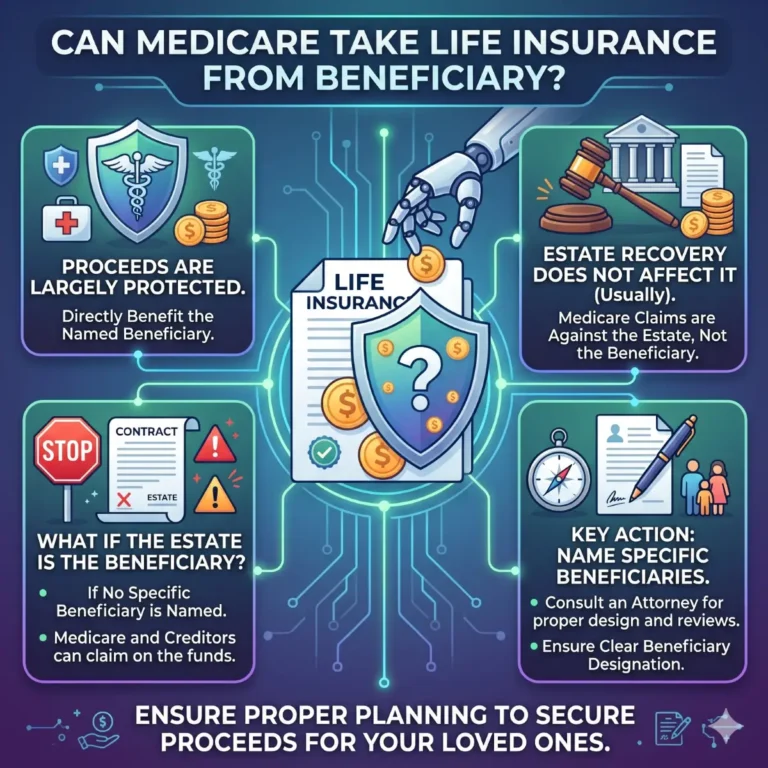
Can Medicare Take Life Insurance From a Beneficiary?
By Steve Turner
• 2026-05-04
Can Medicare take life insurance from a beneficiary? Learn when recovery applies, what’s protected, and how to safeguard your loved ones’ benefits. -
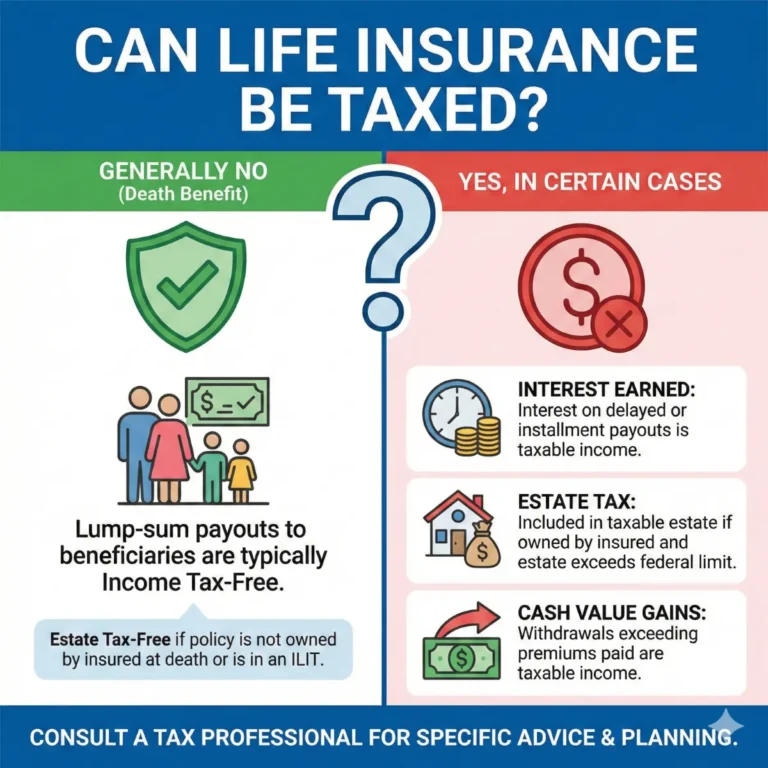
Can Life Insurance Be Taxed in Florida?
By Steve Turner
• 2026-03-16
While life insurance payouts are generally tax-free, specific rules apply to cash value and interest. Learn how to protect your legacy. Tap to Learn Now! -
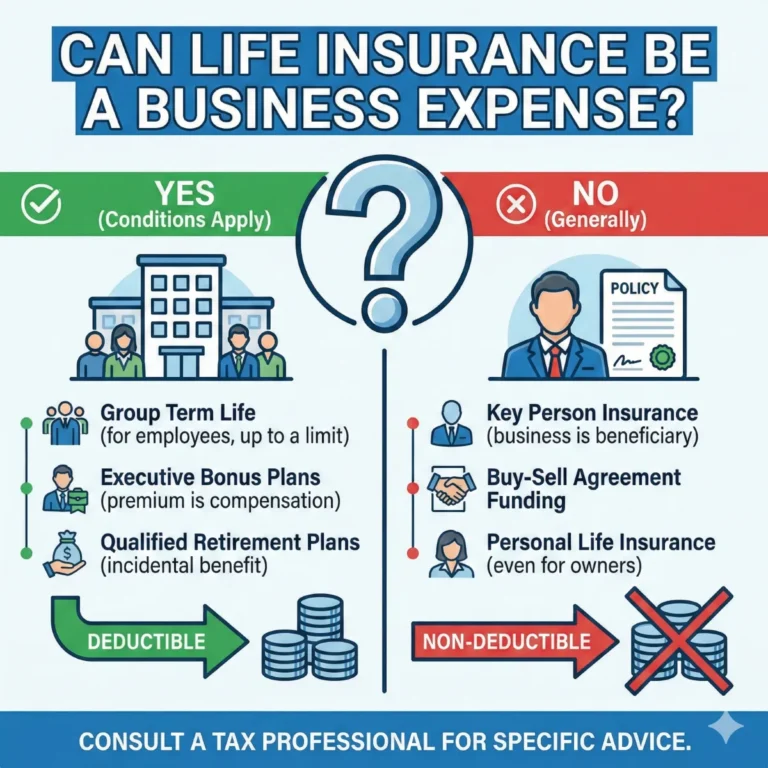
Can Life Insurance Be A Business Expense in Florida?
By Steve Turner
• 2026-03-13
Can business owners deduct life insurance premiums? Discover the rules for tax-advantaged coverage and IRS guidelines. Tap to Learn Now! -
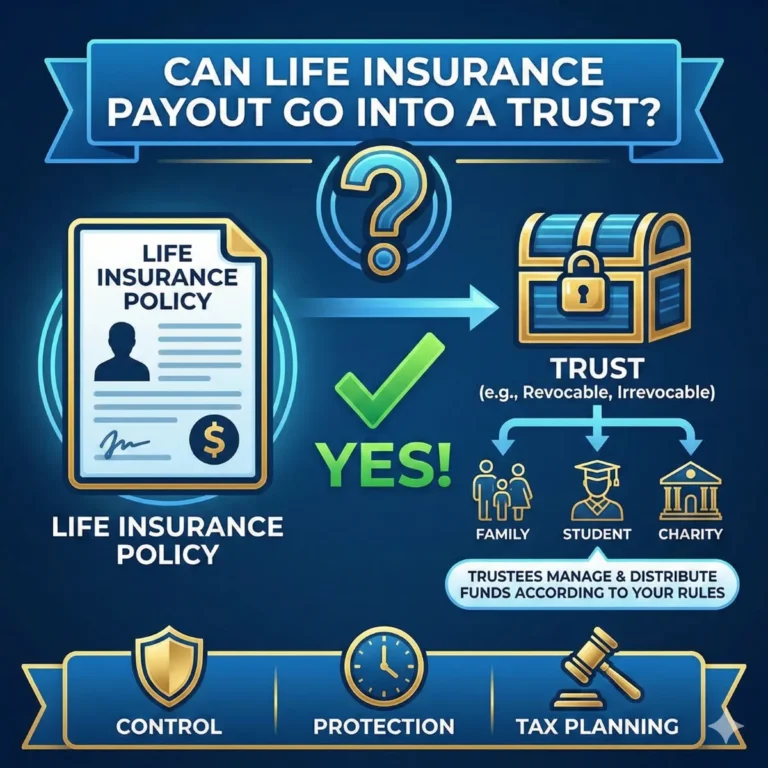
Can Life Insurance Payout Go Into A Trust in Florida?
By Steve Turner
• 2026-03-07
Can a life insurance payout go into a trust? Learn how trusts protect heirs, bypass probate, and offer tax advantages for your family. Tap to Learn Now! -
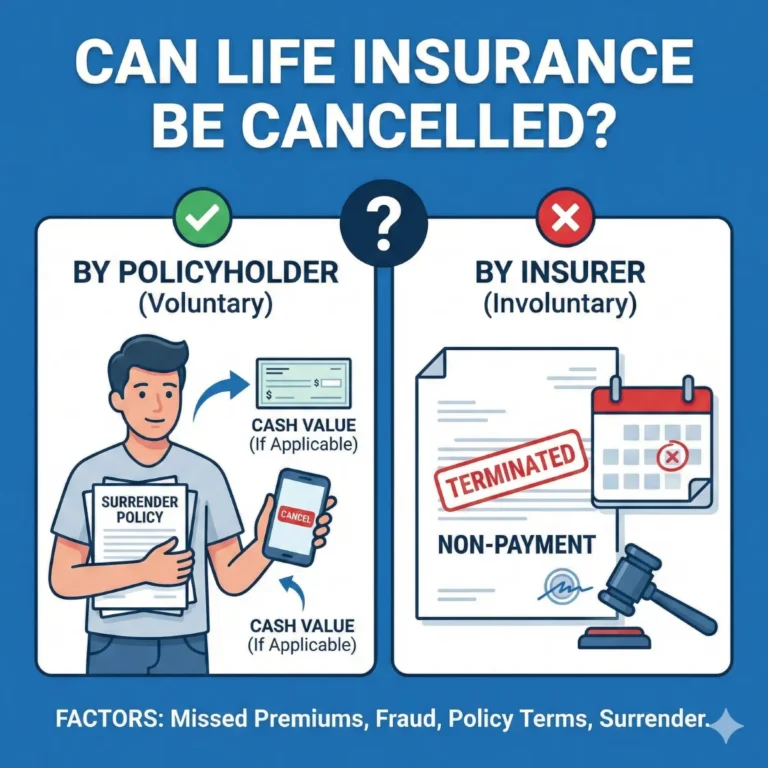
Can You Cancel Life Insurance in Florida?
By Steve Turner
• 2026-03-04
Can your life insurance be cancelled? Discover the truth about non-payment, fraud, and how to protect your policy today with Steve Turner. Tap to Learn Now! -
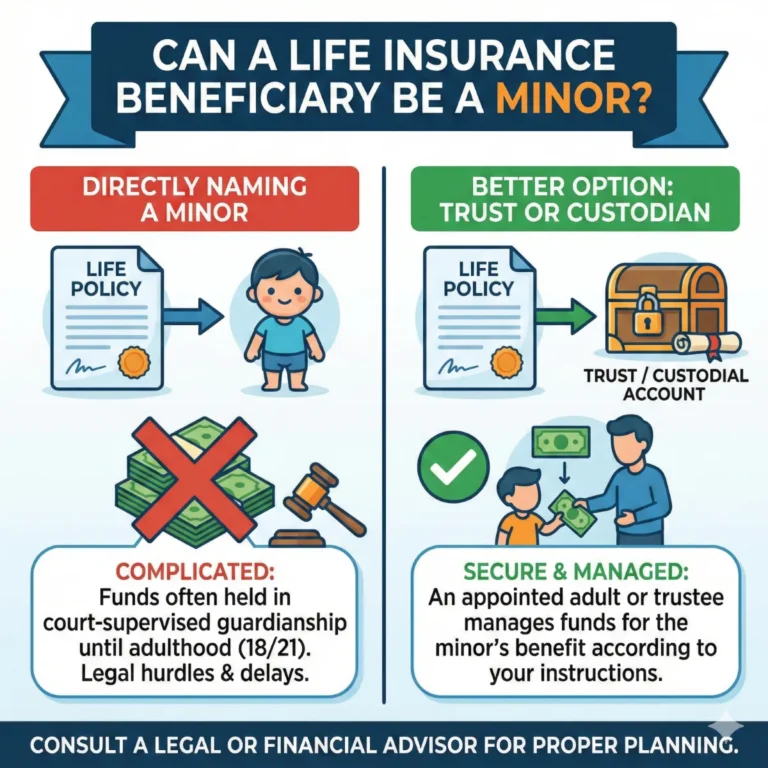
Can a Life Insurance Beneficiary Be A Minor in Florida?
By Steve Turner
• 2026-03-02
Naming a minor as a beneficiary? Learn the legal risks, from court delays to custodial accounts, and how to protect your child’s future. Tap to Learn Now! -
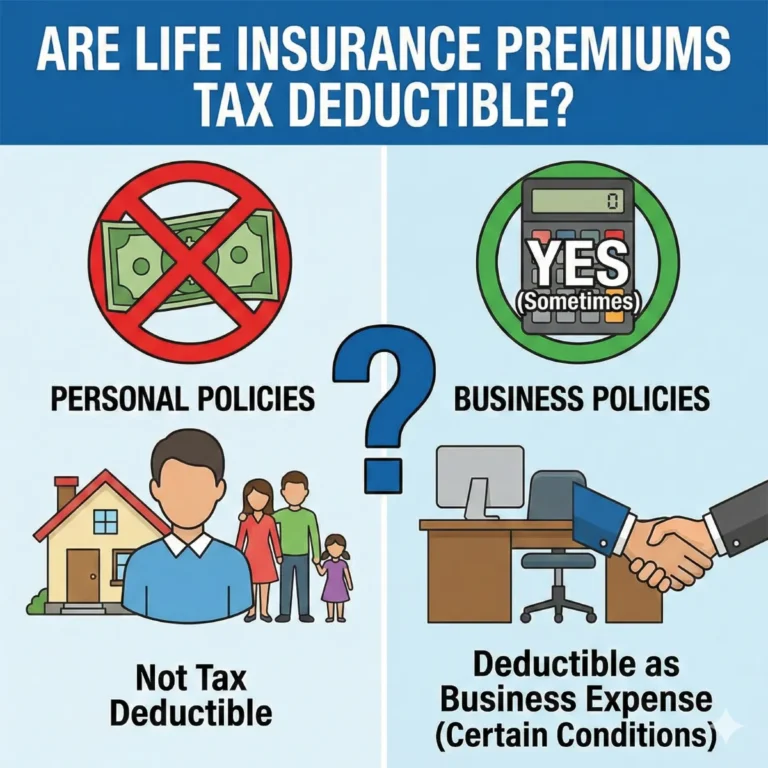
Are Life Insurance Premiums Tax Deductible?
By Steve Turner
• 2026-03-01
Are Life Insurance Premiums Tax Deductible? Call Steve Turner, your Licensed Insurance Agent & Broker for FREE HELP! -
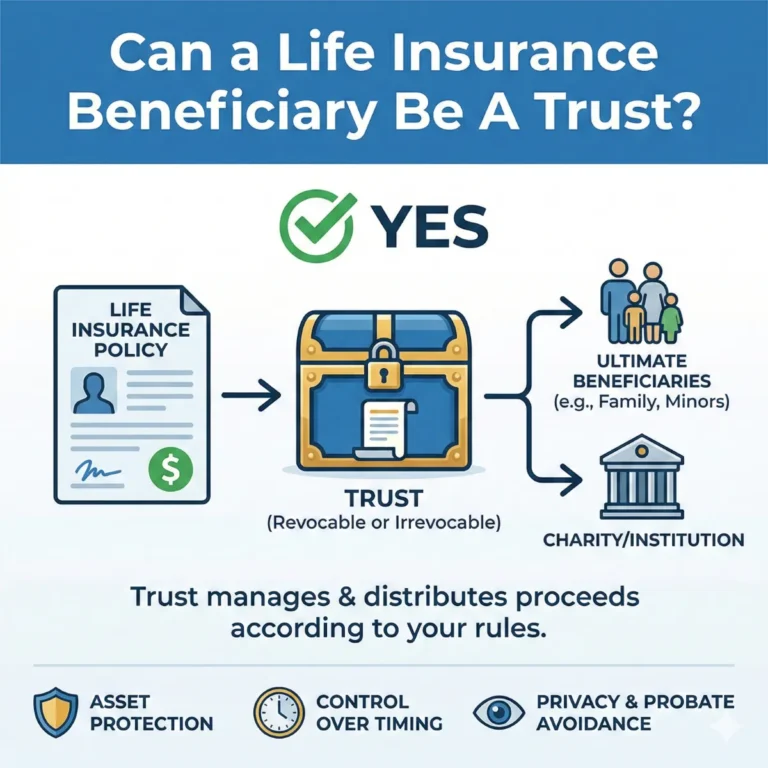
Can a Life Insurance Beneficiary Be A Trust in Florida?
By Steve Turner
• 2026-02-27
Naming a trust as your life insurance beneficiary can protect assets and control distributions. Explore the legal benefits today. Tap to Learn Now! -
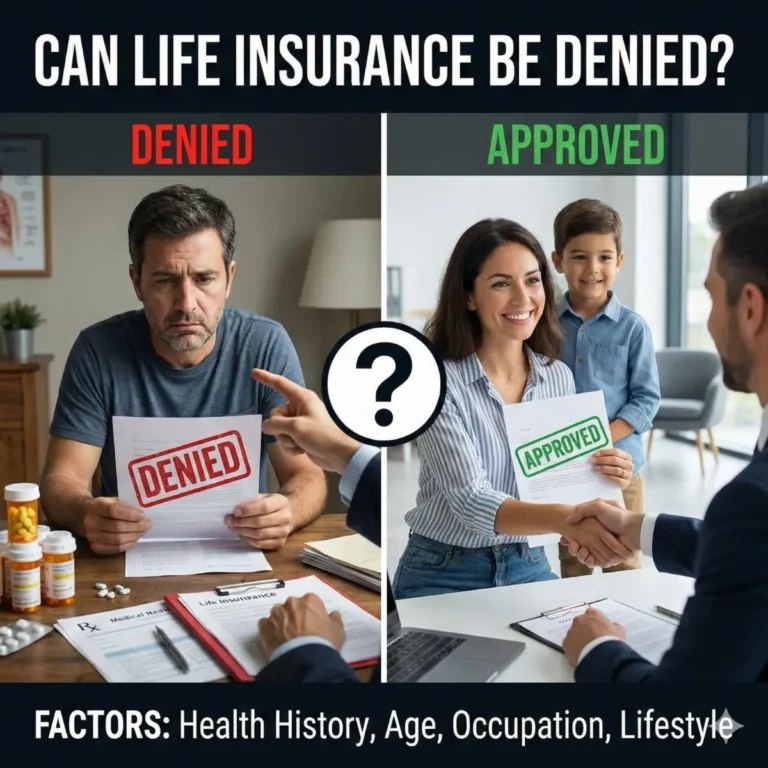
Can Life Insurance Be Denied? Florida Guide for 2027
By Steve Turner
• 2026-02-25
Life insurance can be denied at application or at claim. A Tampa Bay agent explains Florida’s 2-year contestability rule and how to protect your payout. -
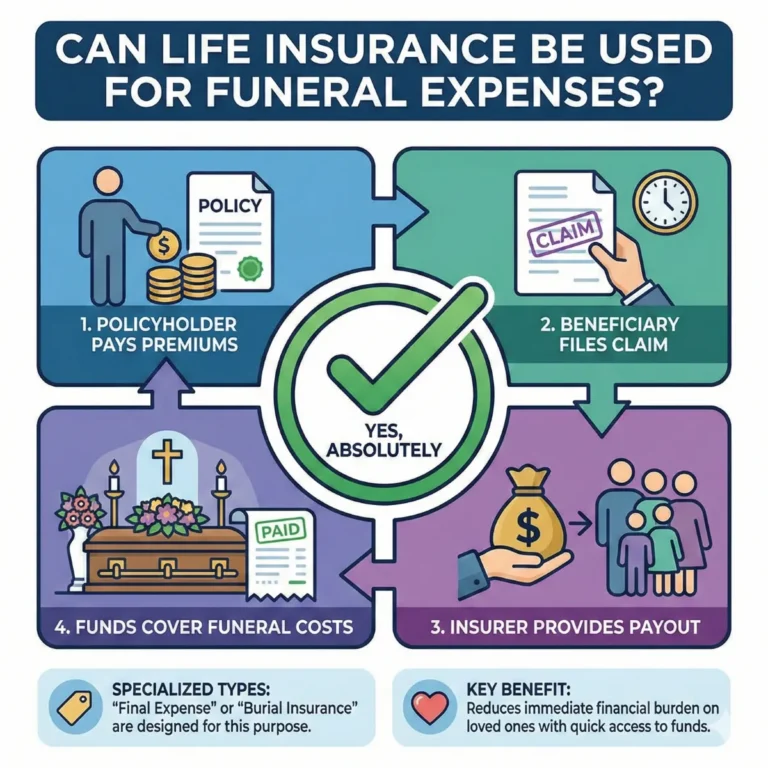
Can Life Insurance Pay for a Funeral? 2027 Tampa Bay Guide
By Steve Turner
• 2026-02-23
Yes, life insurance can pay for a funeral. A Tampa Bay broker compares term, final expense and Florida pre-need plans, 2027 costs, and Medicaid rules. -
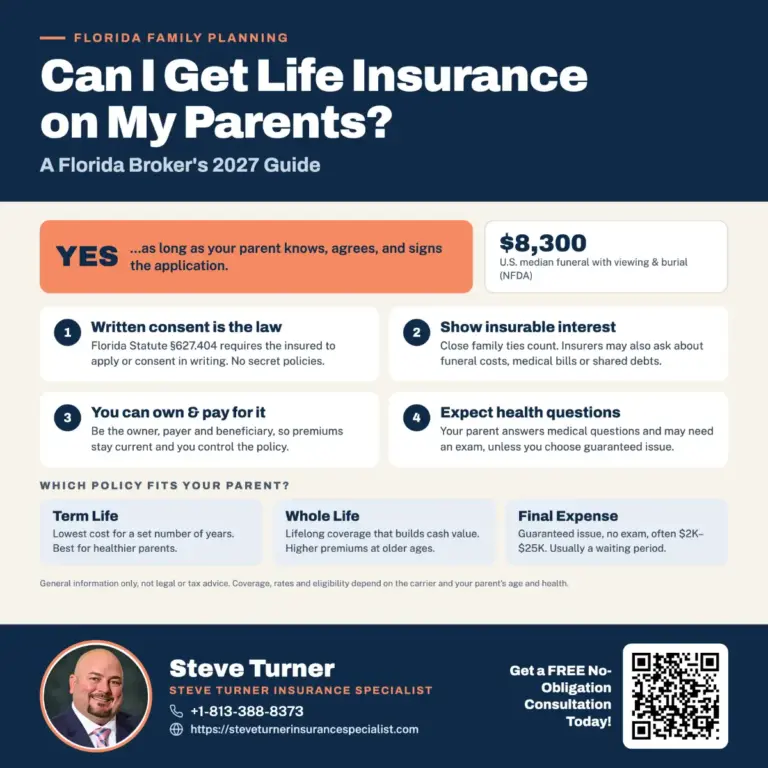
Life Insurance on Your Parents in Florida: 2027 Guide
By Steve Turner
• 2026-02-21
Yes, you can insure a parent in Florida with their consent. A licensed Tampa Bay broker explains 2027 costs, policy types, Medicaid rules and next steps. -
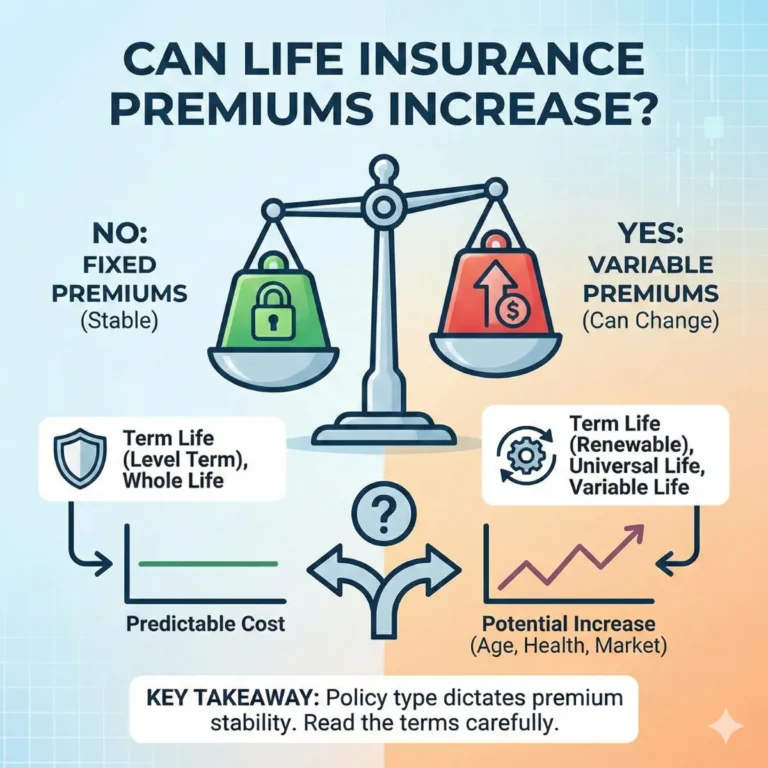
Can Life Insurance Premiums Increase in Florida?
By Steve Turner
• 2026-02-10
Do life insurance premiums increase over time? Learn about fixed vs. variable rates, policy renewals, and age-related costs. Tap to Learn Now! -
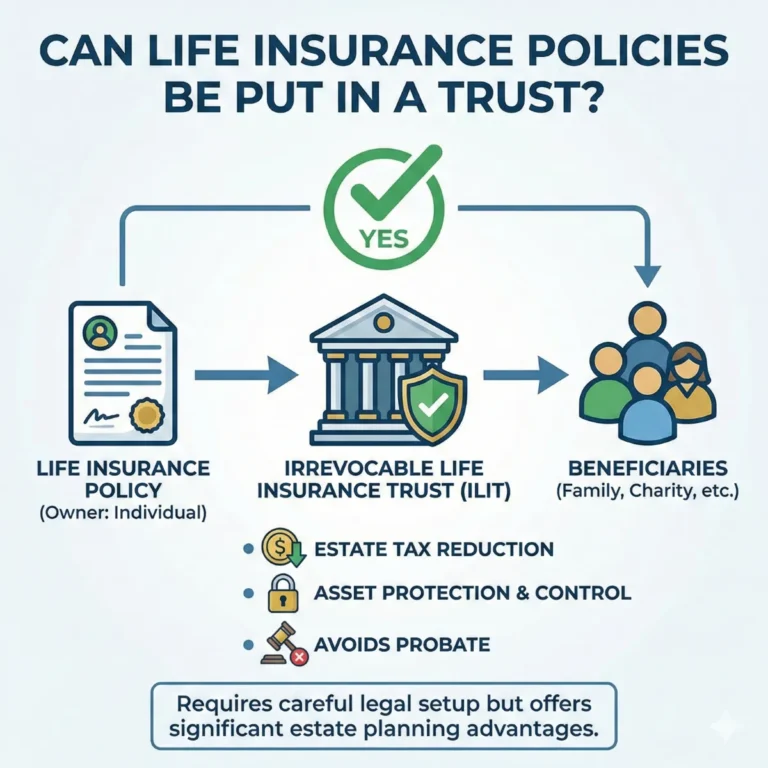
Can Life Insurance Policies Be Placed in a Trust in Florida?
By Steve Turner
• 2026-02-10
Learn how placing life insurance in a trust protects assets, avoids probate, and reduces estate taxes. Secure your legacy. Tap to Learn Now! -
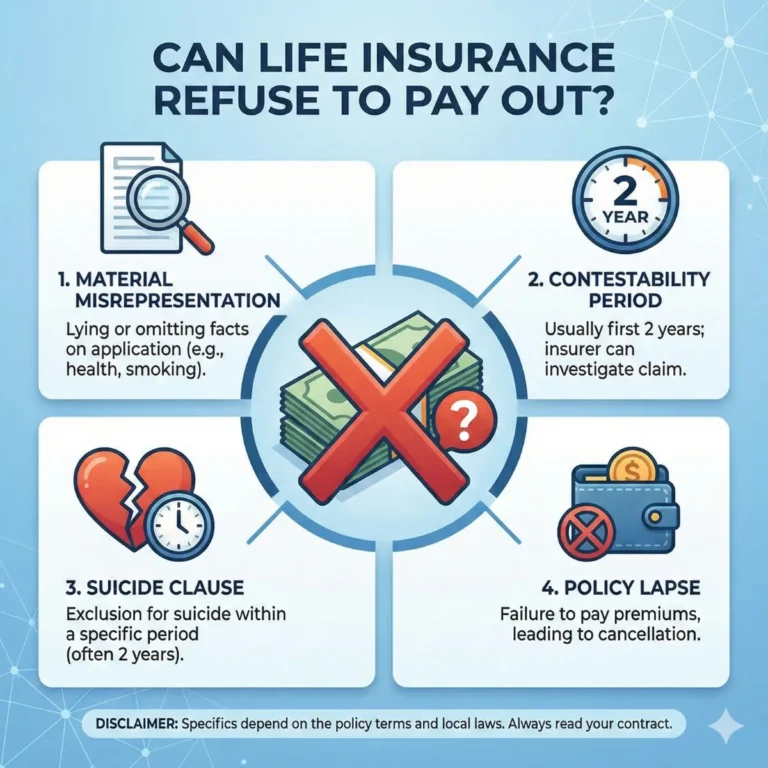
Can Life Insurance Refuse To Pay Out in Florida?
By Steve Turner
• 2026-02-10
Can life insurance refuse to pay? Learn about the contestability period, policy lapses, and common exclusions that affect your claim. Tap to Learn Now! -
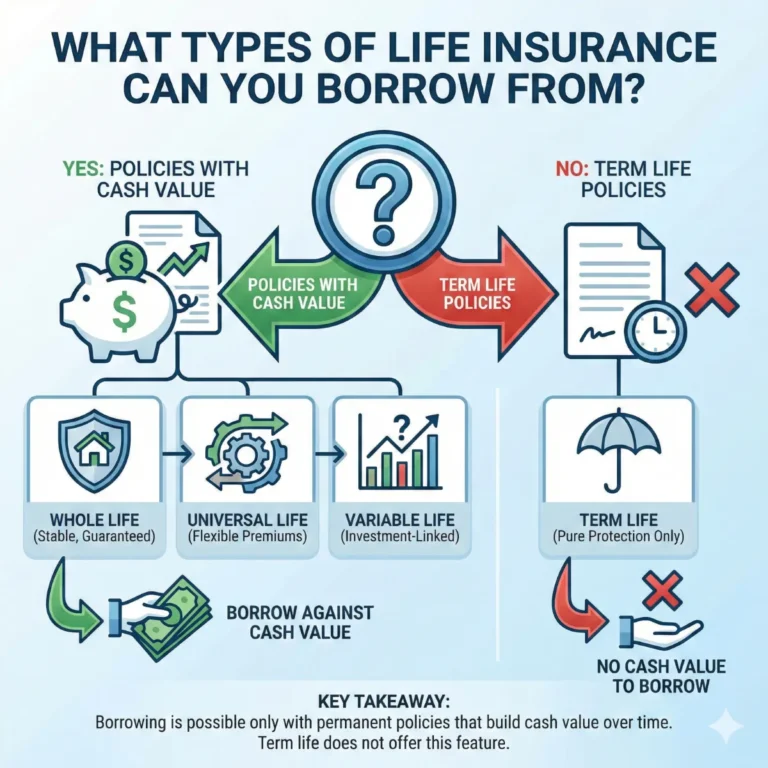
What Types of Life Insurance Can You Borrow From in Florida?
By Steve Turner
• 2026-02-10
Learn which permanent life insurance policies build cash value for tax-free loans. Compare whole and universal life options. Tap to Learn Now! -
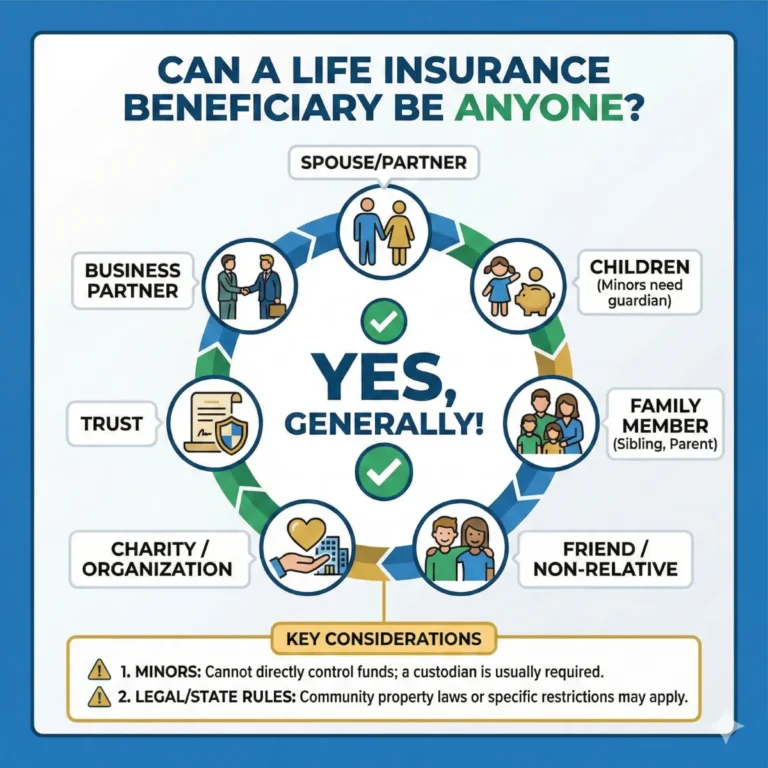
Can Anyone Be a Life Insurance Beneficiary in Florida?
By Steve Turner
• 2026-02-10
Choosing a life insurance beneficiary involves specific rules and tax impacts. Learn who you can name and how to protect your legacy. Tap to Learn Now! -
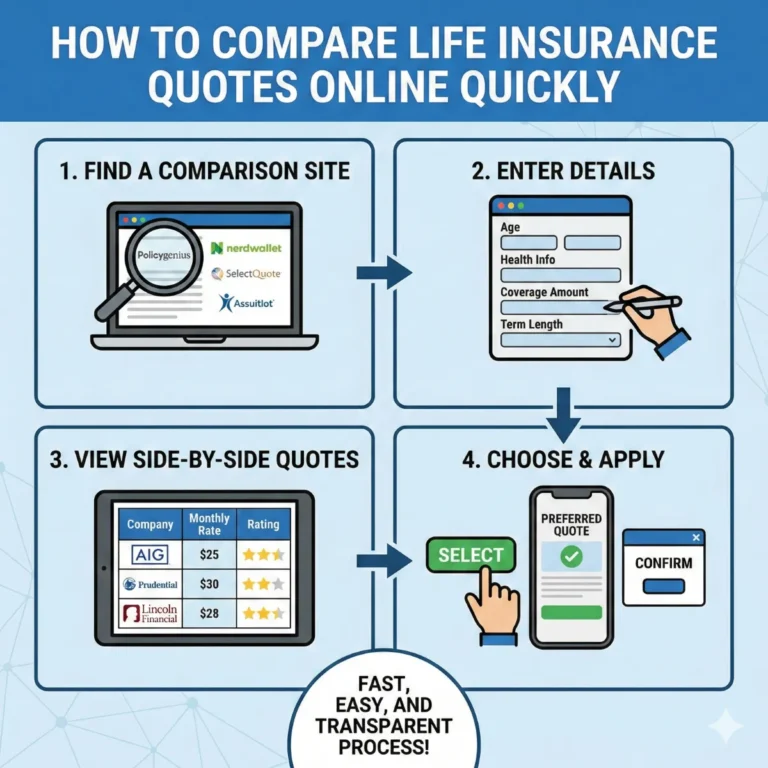
How Can I Compare Life Insurance Quotes Online Fast in FL?
By Steve Turner
• 2026-02-10
Looking for the best life insurance rates? Easily compare top-rated quotes and find the right coverage for your family’s needs. Tap to Learn Now! -
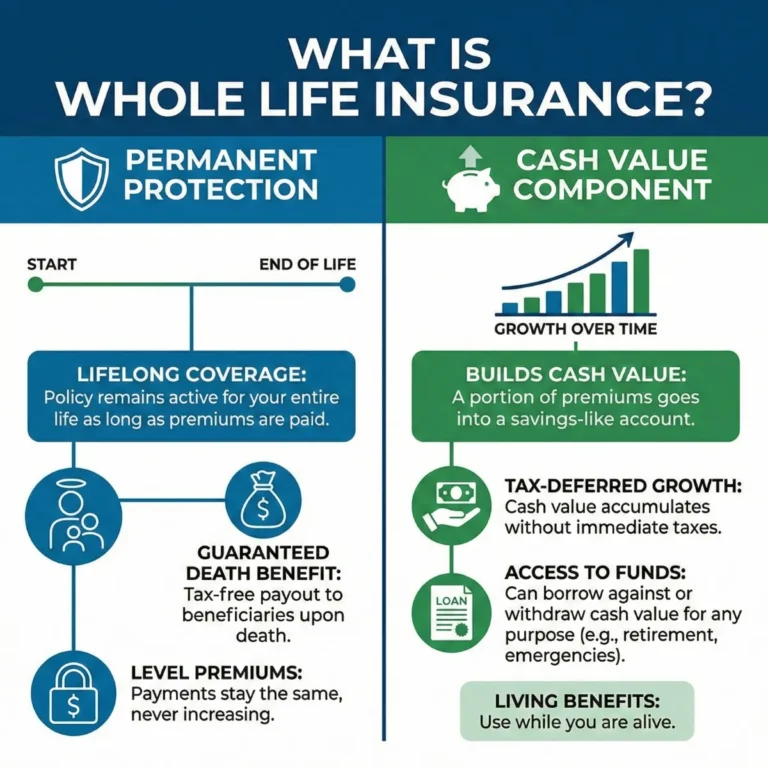
Whole Life Insurance in Tampa Bay (2027): Costs, Pros, Cons & Top Carriers
By Steve Turner
• 2026-02-10
What is whole life insurance? A Tampa Bay agent explains 2027 costs, cash value, dividends, Florida creditor protection, and when term is the better buy. -
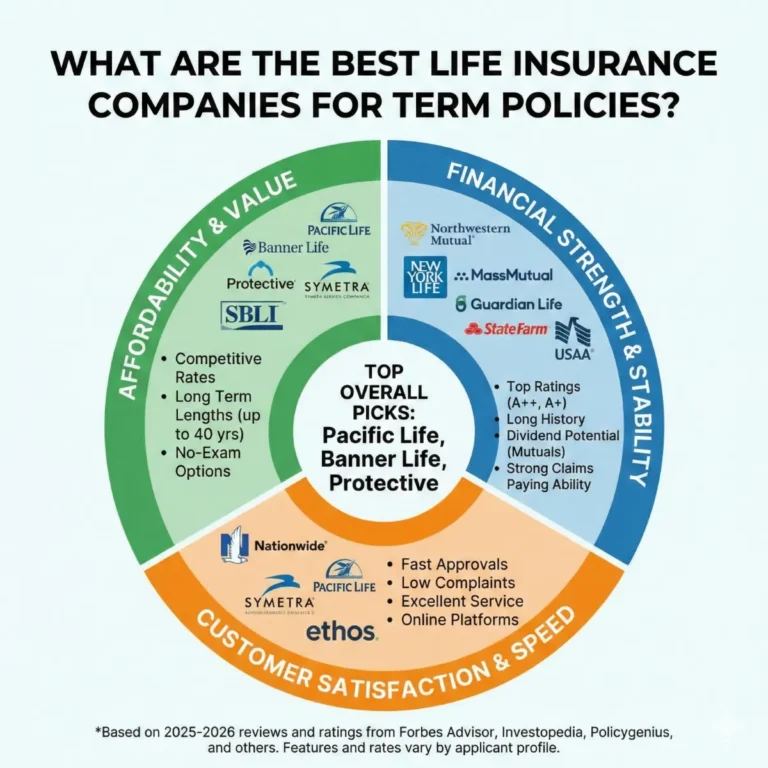
What Are The Best FL Term Policy Life Insurance Companies?
By Steve Turner
• 2026-02-10
Compare top-rated 2026 term life insurance from Pacific Life, Protective, and New York Life. Find affordable, reliable coverage. Tap to Learn Now! -
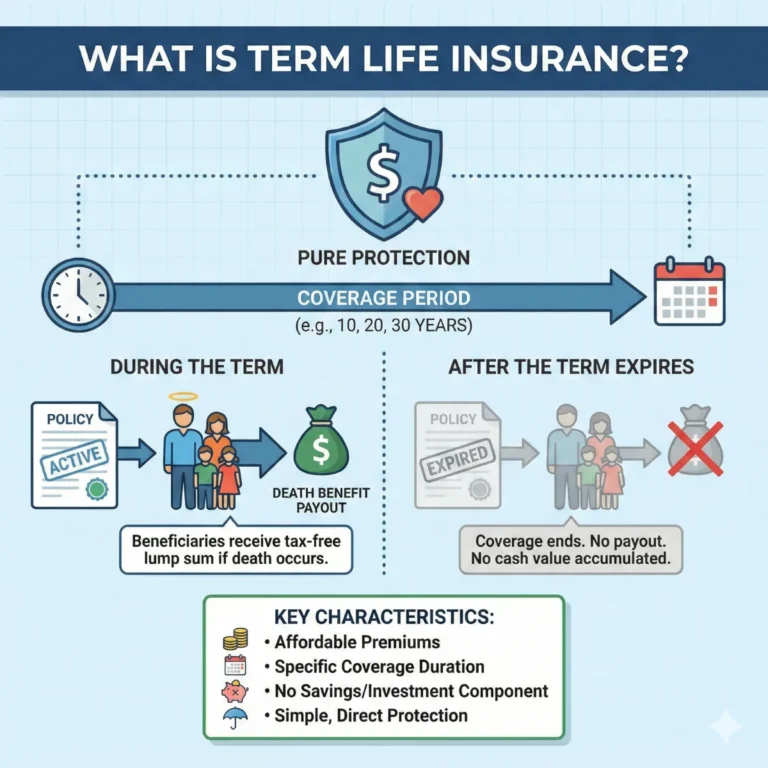
What Is Term Life Insurance? Low Cost for Floridians!
By Steve Turner
• 2026-02-10
Understand term life insurance basics, affordable rates, and how it protects your family for a set period. Get expert advice. Tap to Learn Now! -
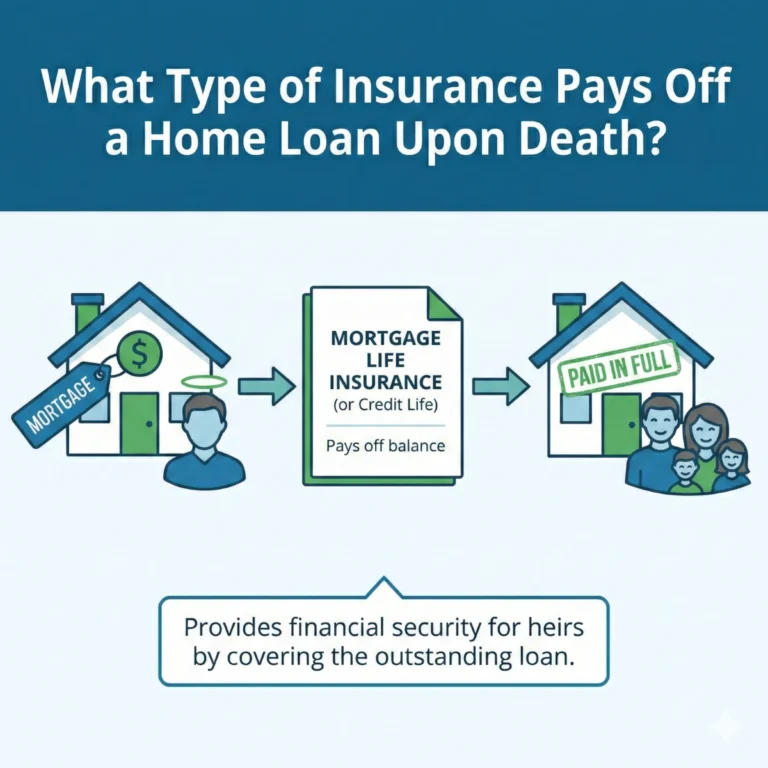
What Type of Insurance Pays Off a Home Loan Upon Death in FL?
By Steve Turner
• 2026-02-10
Protect your home with Mortgage Protection Insurance (MPI) or Term Life. Learn how Steve Turner helps you secure a debt-free future. Tap to Learn Now! -

Family Life Insurance | Floridians Learn Here!
By Steve Turner
• 2025-05-30
Protect your loved ones with affordable family life insurance. Compare custom plans for security and peace of mind with Steve Turner. Tap to Learn Now! -

10 Cheap Life Insurance for Couples
By Steve Turner
• 2025-05-28
Looking for affordable life insurance for couples? Compare the best joint and individual rates to secure your family’s future today. Tap to Learn Now! -

Affordable Life Insurance | What Floridians Must Know!
By Steve Turner
• 2023-03-07
Finding affordable life insurance is easy with Steve Turner. Compare top-rated plans for families and businesses to save money. Tap to Learn Now! -

Whole Life Vs Term Life Insurance in Florida
By Steve Turner
• 2023-03-03
Compare Whole Life vs Term Life insurance to find the best coverage for your family’s future. See costs, benefits, and cash value. Tap to Learn Now!
Medicare plan availability differs by state and county. Steve Turner is licensed in AL, CO, FL, GA, NC, SC, TN, and TX.
Steve Turner is a licensed insurance agent and is not connected with or endorsed by the United States Government or the Federal Medicare Program. The Medicare Annual Enrollment Period is October 15 to December 7.
MEDICARE DISCLAIMER
We do not offer every plan available in your area. Any information we provide is limited to those plans we do offer in your area. Please contact Medicare.gov or 1-800-MEDICARE to get information on all of your options.
Steve Turner

Steve Turner, CLU®, REBC® is licensed in AL, CO, FL, GA, NC, SC, TN, and TX · NPN 18030539 · Florida License W333468
Steve Turner is a licensed agent and broker and a long-standing member of the National Association of Benefits and Insurance Professionals NABIP®. Steve holds the Registered Employee Benefits Consultant® (REBC®) designation. Steve also holds the “Chartered Life Underwriter” designation (CLU®), a professional credential for individuals specializing in life insurance and estate planning, conferred by the American College of Financial Services. Since 2016 (over 10 years), Steve has helped individuals, families, Medicare beneficiaries, and small businesses find the right coverage to meet their needs. Steve has earned 180+ Google reviews from happy clients.
Steve Turner is a licensed agent appointed by Florida Blue in Florida.