

Accident Insurance Key Parts

Accident Insurance Key Parts
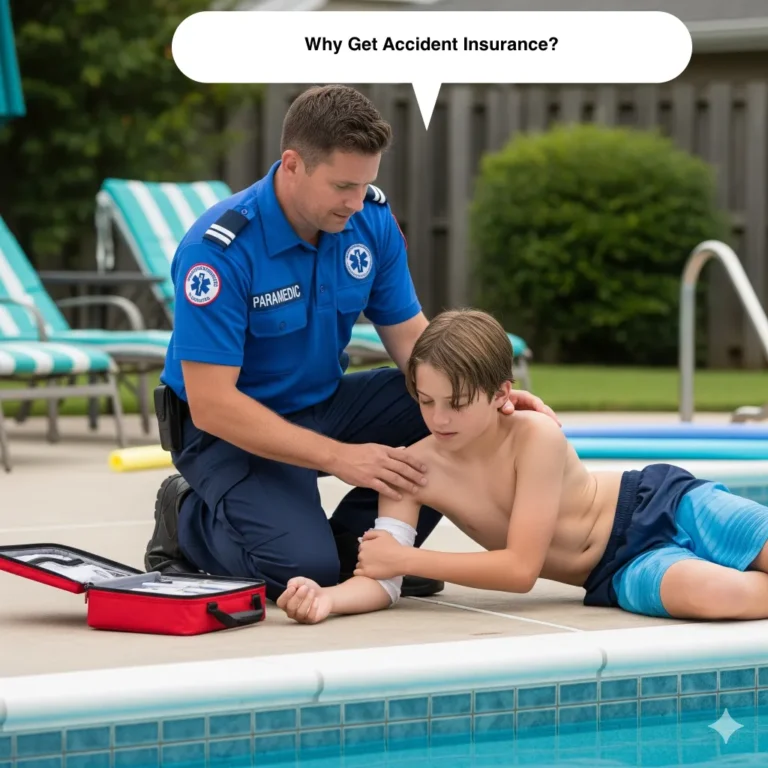
As an insurance agent and broker for many years, I’ve learned that the most financially devastating moments in my clients’ lives often begin with the most ordinary events. A misstep on a wet floor, a fall during a weekend hike, a fender bender on the way to the grocery store—these sparks can ignite a financial firestorm. While most people diligently pay for health insurance, they often overlook the critical details of a policy designed specifically for these moments. [Accident Insurance Key Parts]
Many people view insurance policies as dense, impenetrable documents. I view them as blueprints for financial security. Just as a builder needs to understand every line on a blueprint, you need to understand the essential parts of your insurance contract to ensure it stands firm when you need it most. An accident insurance policy is a toolkit, with each benefit representing a tool designed to address a specific financial problem caused by an injury. If your toolkit is missing essential tools, you’ll find yourself in trouble when a crisis strikes.
Today, I want to open up that toolkit. I will guide you through the most critical aspects of a modern accident insurance policy, highlighting the 20 essential components to look for and the five crucial benefits that people frequently overlook. We will examine this from two perspectives: first, for you and your family, and then for your business.
Part 1: For an Individual or Family
When you buy accident insurance for yourself or your family, your goal is direct financial protection. You want a policy that acts as a powerful cash-based first responder, arriving on the scene to cover the immediate and secondary costs of an injury.
The Top 20 Essential Parts a Personal Accident Policy Must Contain
When my clients and I review a policy, we look for a robust and comprehensive “Schedule of Benefits.” A cheap policy might look appealing, but it’s worthless if it lacks the benefits you are most likely to need. I have organized this list in the typical order you would experience them after an accident.
Emergency & Initial Treatment
- 1. Ambulance Benefit (Ground and Air): An accident often begins with a ride in an ambulance. These rides are notoriously expensive, and your health insurance may leave you with a significant bill. A strong policy provides a fixed cash benefit, such as $300 for a ground ambulance or $2,000 for an air ambulance, to help you offset this high cost immediately.
- 2. Emergency Room (ER) Treatment: Your policy should pay a lump-sum cash benefit simply for being treated in an ER for a covered injury. I look for plans that offer at least $150-$250 for this benefit, as it helps cover your copay and other immediate expenses.
- 3. Urgent Care Benefit: Not every accident requires an ER. For sprains or cuts, consider visiting an urgent care center. A good policy includes a smaller benefit, perhaps $75-$100, for treatment at these less expensive facilities, encouraging wise healthcare choices.
- 4. Diagnostic Exam Benefit (X-ray, MRI, CT Scan): To diagnose an injury, you will need imaging. Your policy should pay a set amount for these standard procedures. For example, it might pay $50 for an X-ray and $400 for an MRI, providing you with the funds to cover your share of these diagnostic costs.
Hospitalization & Major Procedures
- 5. Hospital Admission Benefit: If your injury is severe enough to require an inpatient hospital stay, this is a critical benefit. A quality policy pays a significant one-time benefit, often $1,500 or more, as soon as you are admitted. This provides a substantial cash infusion to help you meet your large health insurance deductible.
- 6. Daily Hospital Confinement Benefit: In addition to the admission benefit, the policy should pay you for every day you are in the hospital. I advise my clients to look for plans that offer at least $200 per day. A five-day stay would provide you with an extra $1,000 to cover lost income and other bills.
- 7. Intensive Care Unit (ICU) Confinement Benefit: For the most severe injuries, your policy needs a heightened ICU benefit. This typically pays double the standard daily confinement amount (e.g., $400 per day), recognizing the extreme cost and severity of an ICU stay.
- 8. Surgical Benefit: This benefit pays a lump sum for a specific surgical procedure. The best policies have a tiered schedule, paying more for more complex surgeries. For instance, an outpatient knee scope might pay $1,000, while a major open-heart surgery following a car accident could pay $10,000.
Specific Injury Benefits (The Core of the Policy)
- 9. Fracture Benefit: This is a non-negotiable part of any accident plan. The policy must pay a fixed benefit for breaking a bone. The amount should vary by bone and break severity. A simple toe fracture might pay $200, while a surgically repaired hip fracture should pay $5,000 or more.
- 10. Dislocation Benefit: Similar to fractures, this pays a lump sum for the medical treatment to reduce a dislocated joint. The benefit should be tiered, with a dislocated finger paying less than a dislocated hip or shoulder.
- 11. Burn Benefit: A comprehensive policy includes coverage for severe burns. It pays an enormous, lump-sum benefit based on the percentage of your body affected and the severity (second- or third-degree) of the burn.
- 12. Laceration Benefit: This pays you for cuts that require stitches. The benefit is typically based on the laceration length and provides compensation to cover repair costs.
- 13. Concussion Benefit: With awareness of head injuries at an all-time high, a modern policy must include a specific lump-sum benefit for a medically diagnosed concussion.
- 14. Torn Knee Cartilage Benefit: Injuries to the knee’s meniscus are incredibly common in sports and daily life. Your policy should cover the surgical repair of this cartilage.
Recovery & Rehabilitation
- 15. Physical Therapy Benefit: Recovery doesn’t end when you leave the hospital. Your policy must include a benefit for physical therapy, occupational therapy, or speech therapy. I look for plans that pay a per-visit amount, such as $50 per visit, for a meaningful number of sessions (e.g., 20 or more).
- 16. Medical Appliance Benefit: You may need crutches, a wheelchair, a brace, or a walker to recover. A good policy provides a benefit to help you purchase or rent these necessary medical devices.
Catastrophic Outcome Benefits
- 17. Accidental Death & Dismemberment (AD&D) Benefit: This is the ultimate safety net within the policy. It pays an enormous, lump-sum benefit (e.g., $100,000) to your family if you die in an accident. It also pays a portion of that benefit for the loss of a limb or the permanent loss of your sight, hearing, or speech.
- 18. Paralysis Benefit: In the catastrophic event that an accident causes permanent paralysis (paraplegia, quadriplegia), the policy should pay a significant lump sum, often equal to the full accidental death benefit. This provides critical funds to help your family adapt to a new reality.
Value-Added Features
- 19. Family Lodging & Transportation Benefit: If you or a loved one is hospitalized for an accident far from home, this benefit helps cover the cost of a family member’s hotel stay and travel expenses. It keeps families together during a crisis without adding financial strain.
- 20. Wellness Benefit: I love this feature because it rewards proactive health management. The best policies offer a small annual benefit (e.g., $50-$100) simply for undergoing a routine health screening, such as a yearly physical, a mammogram, or a colonoscopy. It encourages you to stay healthy and often covers a significant portion of the policy’s annual premium.
The Top 5 Overlooked Parts of a Personal Accident Policy
In my experience, clients often focus on the big-ticket items, such as hospital admissions and fractures. However, I always draw their attention to five crucial areas many people overlook.
- 1. Coverage for Children’s Organized Sports: If you have active children, this is arguably the most crucial detail in the entire policy. Many accidents happen on the sports field. Confirm that your policy doesn’t exclude injuries sustained during organized sports. A policy that excludes sports-related injuries is practically useless for a young, active family.
- 2. The Ambulance Benefit (Ground and Air): People are consistently shocked by the cost of an ambulance. A simple ride to the hospital can cost over $1,000, and an emergency helicopter flight can cost tens of thousands of dollars. Many people assume their health insurance covers this completely, but they often end up with a huge bill. Making sure your accident policy includes a substantial, specific benefit for both ground and air ambulances is a small detail that can save you a lot of money.
- 3. The Follow-up Care Provisions: Everyone thinks about the ER visit and the surgery, but they forget about the long road to recovery. Make sure the policy includes benefits for follow-up doctor visits after the initial treatment. More importantly, check the limits on the physical therapy benefit. A policy that covers only three sessions is far less valuable than one that covers 20 or 30.
- 4. The Outpatient Surgery Benefit: Not every surgery requires a hospital admission. Procedures to repair a torn ligament or set a minor fracture often happen in an outpatient surgical center. Make sure your policy’s surgical benefit pays for procedures performed in an outpatient setting, not just those done while you are admitted to a hospital.
- 5. The Definition of “Accident”: This is the legal heart of the policy. You want a clear and broad definition. A good policy defines an accident as a sudden, unforeseen, and unintentional event that results in an injury or property damage. Be cautious of policies with narrow definitions or lengthy lists of excluded activities, such as motorcycling, skiing, or other everyday recreational pursuits.
Part 2: For a Business
When a business owner approaches me about accident insurance, their needs are different. They are not just protecting a family budget; they are managing corporate risk, enhancing their employee benefits package, and fulfilling a duty of care.
Essential Parts of Business Accident Policies
The “Top 20” list for individuals provides an excellent foundation, as the core benefits remain consistent across many business plans. However, for a business, the essential parts focus more on the policy’s structure and how it supports the company’s goals.
- For Group Voluntary Accident (Offered to Employees):
- 1. Payroll Deduction Capability: The single most essential feature. The plan must integrate seamlessly with your payroll system so employees can pay their premiums easily.
- 2. Guaranteed Issue Coverage: The plan should offer coverage to all eligible employees without requiring them to answer medical questions. This ensures everyone can participate.
- 3. Portability: Employees should have the option to keep their coverage (by paying the insurer directly) if they leave the company. This is a valuable feature for the employee.
- 4. Comprehensive Schedule of Benefits: The underlying plan you offer should contain the essential benefits from the “Top 20” list above, ensuring it provides real value to your employees.
- 5. Strong Enrollment Support: The insurance carrier should provide materials, online tools, and even on-site representatives to help you explain the plan to your employees and drive enrollment.
- For Business Travel Accident (BTA):
- 1. 24/7 “Portal-to-Portal” Coverage: The policy must clearly define that it covers an employee from the moment they leave their home or office for a business trip until the moment they return.
- 2. Worldwide Coverage: The benefits must apply no matter where in the world your employee is traveling on business.
- 3. Medical Evacuation & Repatriation: This is a critical component. It covers the immense cost of transporting an employee to an adequate medical facility or, in the event of a tragic occurrence, returning their remains home.
- 4. Accidental Death & Dismemberment (AD&D): The policy must have a high-limit AD&D benefit that provides a significant payment to the employee’s family in the event of a catastrophic accident.
- 5. War Risk Exclusion (and its exceptions): You must understand this exclusion. While most policies exclude acts of war, some offer riders that provide coverage for acts of terrorism, which can be crucial for international travelers.
- For Participant or Student Accident:
- 1. Clear Definition of a “Covered Activity”: The policy must explicitly state which activities it covers (e.g., “during scheduled practice and games,” or “during school hours and at school-sponsored events”).
- 2. Accident Medical Expense Benefit: This is the core of the policy. It covers medical costs resulting from an accident.
- 3. Primary vs. Excess Provision: You must know how this policy interacts with the participant’s own health insurance. An “excess” policy pays after the participant’s primary insurance has been exhausted, while a “primary” policy pays first. Excess plans are more common and affordable.
- 4. A Clear Deductible and Coinsurance Structure: The policy must clearly state the out-of-pocket costs for the participant.
- 5. Specific Exclusions: You must review the exclusions to ensure the organization’s key activities (e.g., cheerleading, football) are not excluded from coverage.
The Top 5 Overlooked Parts of a Business Accident Policy
Business owners often focus on the premium cost, but these five details reveal the policy’s actual value—or lack thereof.
- 1. The “Common Disaster” Provision in BTA Insurance: This provision increases the total payout if multiple employees are involved in the same travel accident. If a plane crash involves three of your key executives, this clause ensures each family has a sufficient benefit. Many business owners overlook this crucial detail.
- 2. Coverage for Independent Contractors or Volunteers: In participant accident plans, business owners often forget to ensure the policy’s definition of a “participant” is broad enough to include non-employees who are vital to the organization, like volunteer coaches or event staff.
- 3. The “Ingress and Egress” Clause: For participant or student policies, this clause specifies whether coverage applies while a participant is traveling directly to or from a covered activity. For a sports league, this can be a critical but often forgotten detail.
- 4. Carve-Outs for Specific Sports: A school might buy a student accident policy but forget to check if it has a specific sub-limit or a higher deductible for high-risk sports like football. Ensure the coverage is adequate for your highest-risk activities.
- 5. The Importance of Communication: The most overlooked part of a voluntary group plan is the business owner’s role in its success. Simply making the plan available is not enough. You must have a plan to communicate the policy’s value to your employees. A brilliant plan with low enrollment helps no one.
Here on a Tuesday morning in Florida, I see clients wrestling with these details every day. An accident insurance policy is not a commodity; it is a sophisticated contract. By understanding these essential parts, you can choose a blueprint that builds a truly secure financial future for your family or business.
OUR CLIENT REVIEWS


CONTACT STEVE TURNER, LICENSED INSURANCE AGENT & BROKER
Questions? Call, text, or book a time below; I answer calls and emails 7 Days a week from 7:00 a.m. to 8:00 p.m., excluding posted holidays.
EMAIL ME: 24×7
OFFICE LOCATION
Address: 14502 N Dale Mabry Hwy, Suite 200, Tampa, FL 33618
Website: steveturnerinsurancespecialist.com
Email: [email protected]
Phone and Text: +1-813-388-8373
Business Hours:
Monday: 7:00 a.m. / 8:00 p.m.
Tuesday: 7:00 a.m. / 8:00 p.m.
Wednesday: 7:00 a.m. / 8:00 p.m.
Thursday: 7:00 a.m. / 8:00 p.m.
Friday: 7:00 a.m. / 8:00 p.m.
Saturday: 7:00 a.m. / 8:00 p.m.
Sunday: 7:00 a.m. / 8:00 p.m.
ACCIDENT INSURANCE POSTS

MEDICARE STATEMENT
We do not offer every plan available in your area. Currently, we represent 7 organizations that offer 70 products in your area. Please get in touch with Medicare.gov or 1-800-MEDICARE for information on all your options.
Steve Turner is a licensed insurance agent and is not connected with or endorsed by the United States Government or the Federal Medicare Program. The Medicare Annual Enrollment Period is October 15 to December 7.
There’s no one-size-fits-all answer. Carefully consider your health status, expected medical needs, prescription drugs, budget, preferred doctors and hospitals, and how comfortable you are with network rules. During the Annual Enrollment Period, you can use the Medicare Plan Finder at Medicare.gov to research plans available in your Florida county, compare costs and benefits, and get free, unbiased counseling from Florida’s SHINE (Serving Health Insurance Needs of Elders) program at floridashine.org or 1-800-963-5337. You can also call 1-800-MEDICARE (1-800-633-4227; TTY 1-877-486-2048), 24 hours a day, 7 days a week.
Steve Turner

Steve Turner, CLU®, REBC® Licensed Florida health insurance agent · License W333468
Steve Turner is a licensed agent and broker and a long-standing member of the National Association of Benefits and Insurance Professionals NABIP®, the preeminent organization for health insurance and employee benefits professionals, and works diligently to ensure all Americans have access to high-quality, affordable healthcare and related services. Steve also holds the prestigious Registered Employee Benefits Consultant® (REBC®) designation. Steve also holds the “Chartered Life Underwriter” designation (CLU®), a professional credential for individuals specializing in life insurance and estate planning. The American College of Financial Services confers it. For over 10 years, Steve has helped individuals, families, Medicare beneficiaries, and small businesses find the right coverage to meet their needs. Steve has earned 180+ Google reviews from happy clients.
Steve Turner is a licensed agent appointed by Florida Blue.